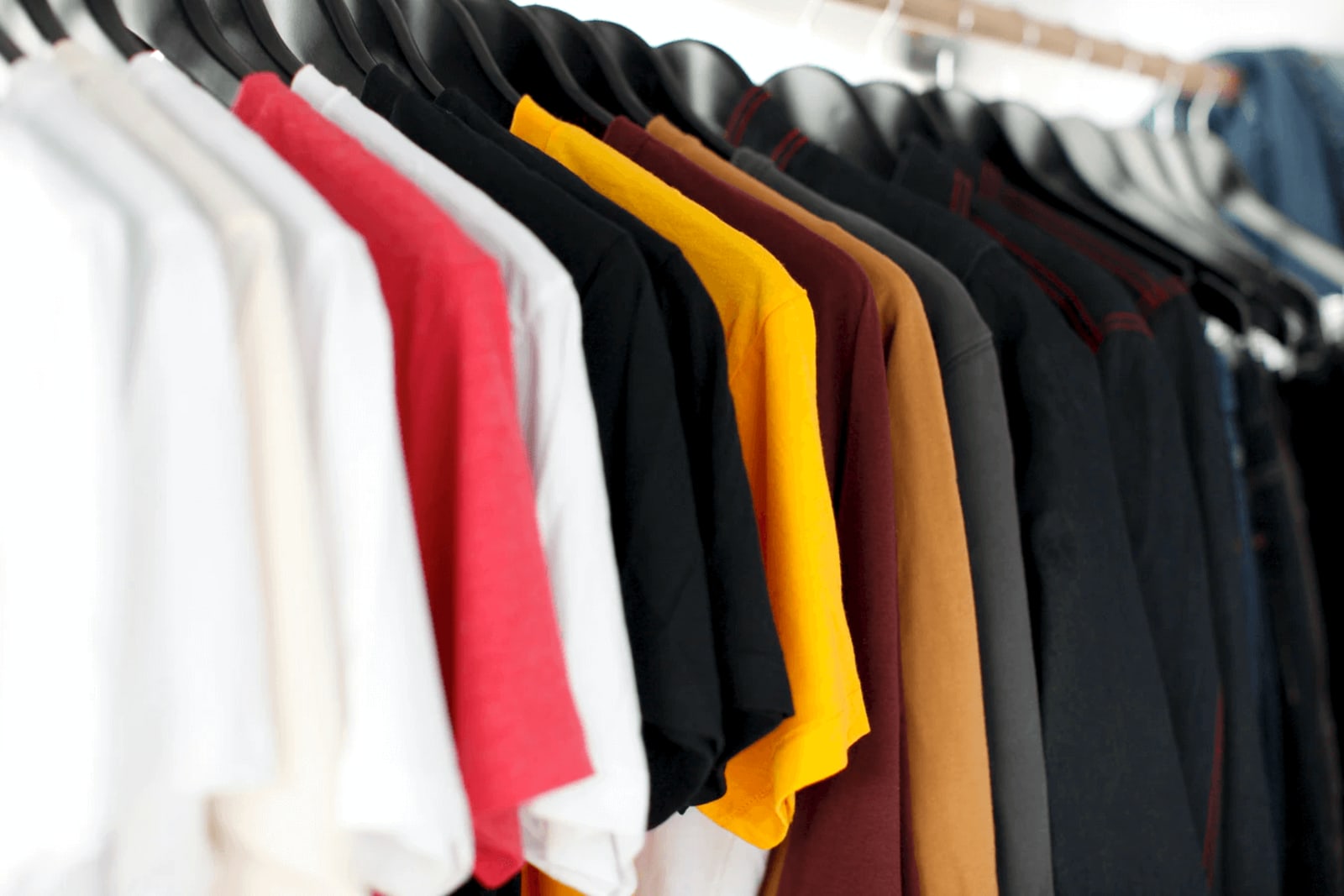
Clothing businesses choose to buy and process their t-shirts in bulk to fill up their inventories. For various groups of people or organizations in need of t-shirt merchandise, bulk t-shirt printing allows them to produce large quantities of apparel while being cost-efficient.
Wholesale T-Shirt Printing: A Rising Trend
Printing in bulk has several advantages making it a suitable choice, especially for t-shirt businesses. While the apparel sector is highly competitive, it can optimize its operations through bulk t-shirt printing.
The global market value for custom t-shirt printing will reach $3.1 billion by 2025, according to Statista. Many enterprising businesses are now catering to the demands of custom printed shirts, from companies choosing shirts as branding to consumers who wish to express themselves through a piece of clothing.
In the e-commerce sector, many online t-shirt businesses are sprouting up already. Consequently, it also created an increasing demand for wholesale printing of t-shirts to keep up with online orders.
Several companies and platforms provide bulk t-shirt printing services. They are different from print-on-demand platforms, where they only print once there is an order.
In bulk t-shirt printing, you get the advantage of having available inventories ready to deliver to customers without waiting for t-shirt printing.
Choosing Quality T-Shirts in Bulk
With many companies willing to provide you with apparel ready for bulk t-shirt printing, how do you know which one can deliver value? Here are some of the things to know when choosing a wholesale t-shirt supplier:
Know the fabric
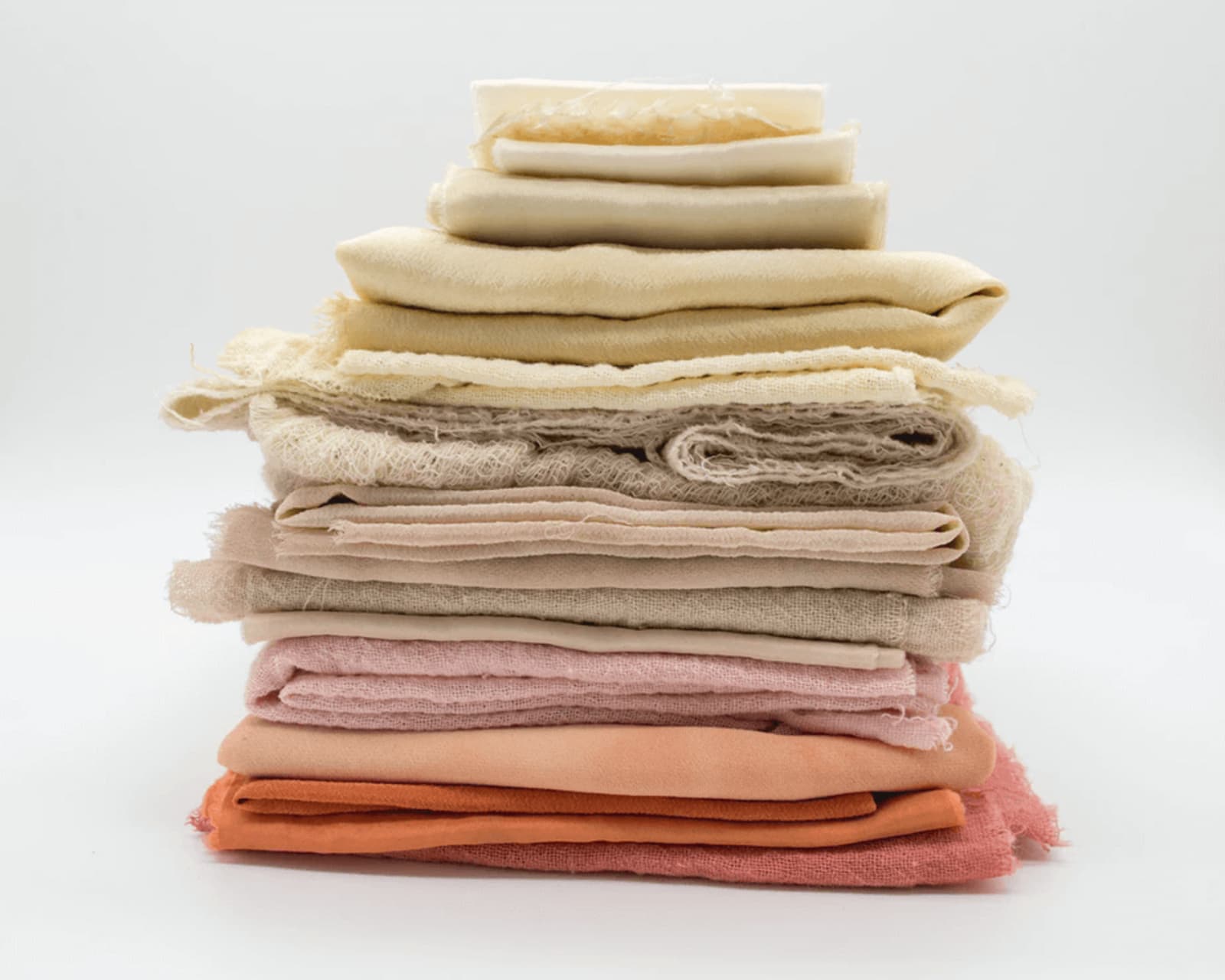
Distinguish which threads to use, either cotton, polyester, rayon, or a blend of various fabric types. Keep your target buyers or users in mind when picking the thread. For instance, rayon is suitable for athletic wear. Consider the availability of your chosen fabric from the supplier, especially if you need more orders soon.
Quality of the clothing material
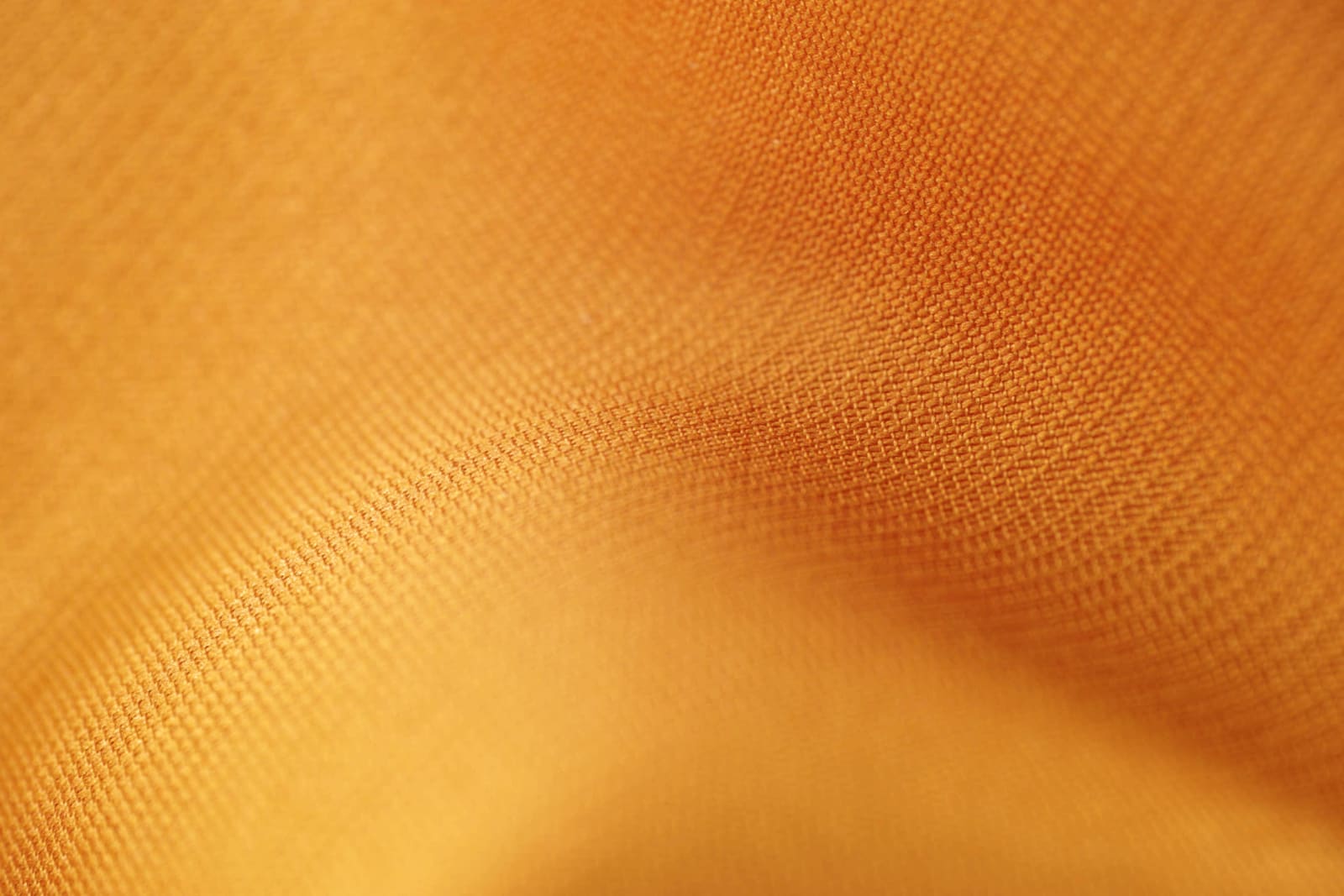
Whether you're running a t-shirt business or need t-shirts in large quantities as official merchandise, it's important not to forego the quality. When buying in bulk, this is often not given much attention as long as you order them at a wholesale price. Consider the fabric quality to keep customers from ordering and avoid disappointments.
Ask about sizes and colors
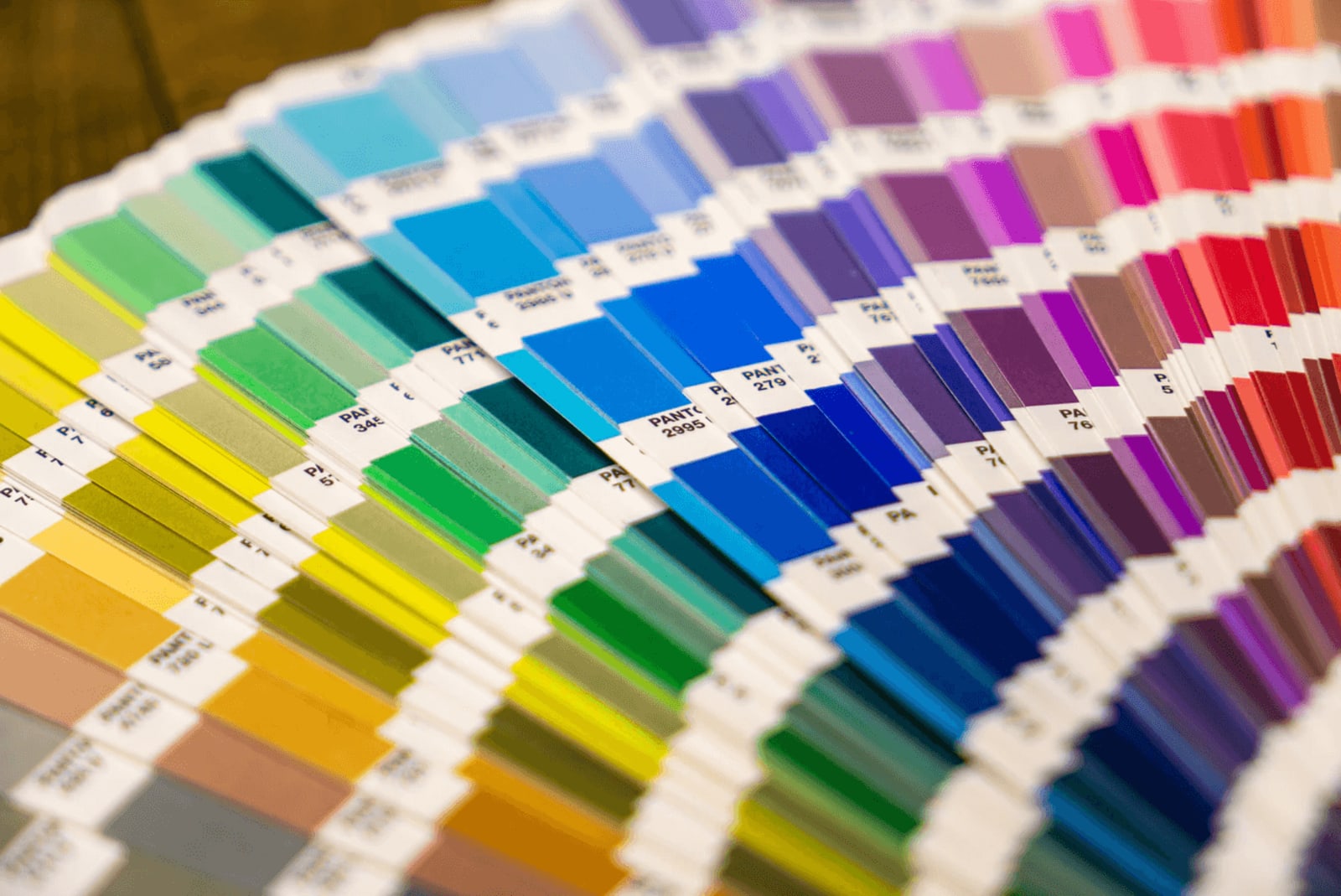
Requiring different sizes and multiple colors is possible as long as you choose a reliable supplier of wholesale t-shirts. Some will only cater to specific colors and sizes, while others allow mixing and matching as long as it follows minimum order.
Compare garment suppliers or manufacturers

Wholesale t-shirt suppliers can provide you with the shirts that you need. However, each of them may have different minimum orders required for bulk purchases. Some may also limit the apparel to one size or color only. Choose wisely which supplier or manufacturer can best provide the quantity and quality of the t-shirt you need, either for business or for merchandise.
What Are the Different T-Shirt Printing Methods?
There are different techniques to print designs on a shirt. Each method has both its pros and cons depending on your desired outcome on the shirt.
1. Screen Printing
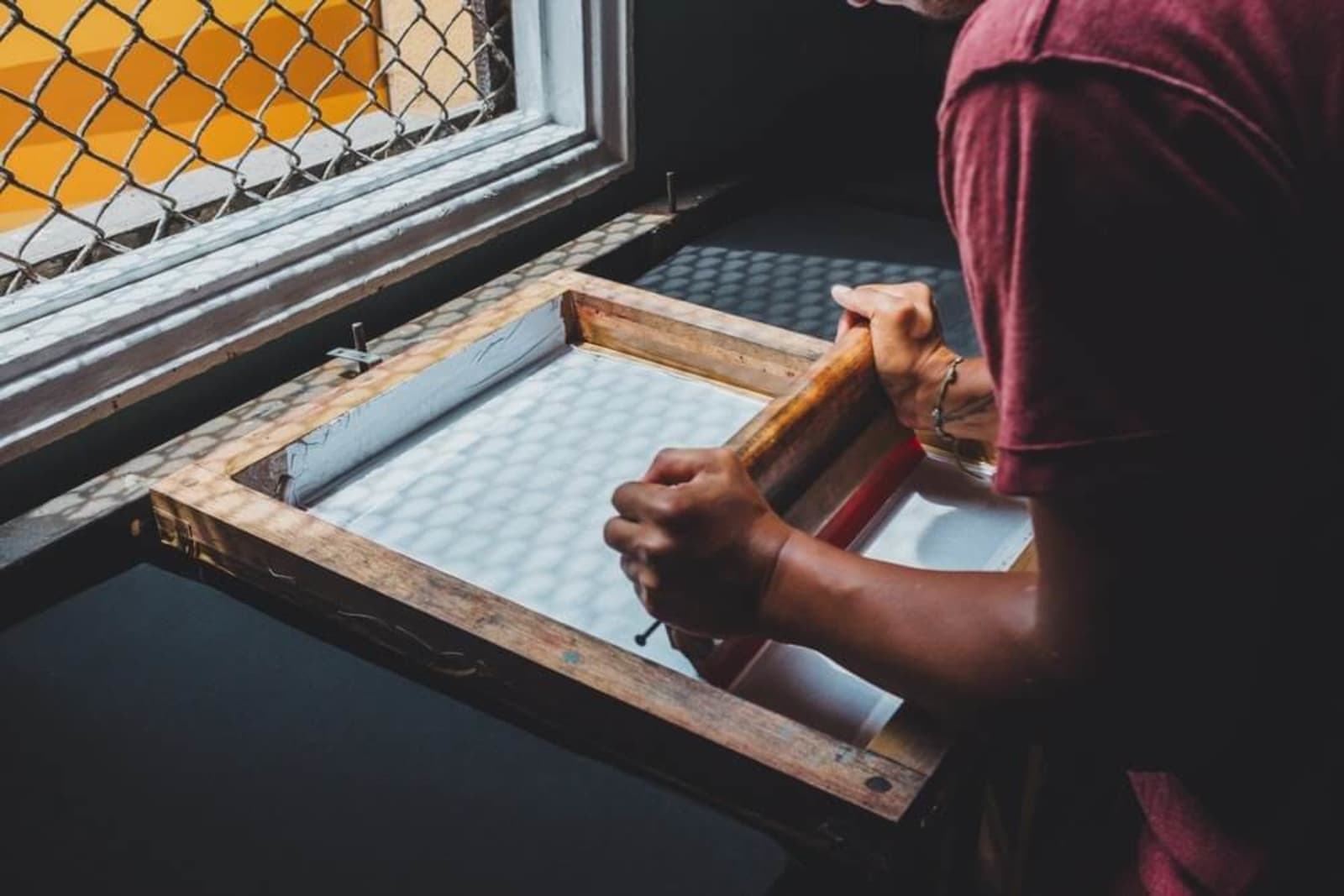
Screen printing is done either by hand or machine, and it is one of the most widely used methods in t-shirt printing.
A screen or mesh containing the ink stencils will transfer the design onto the t-shirt. When the ink is on the t-shirt already, it will then be left to dry, completing the printing process. In screen printing, the output on the shirt has a thick and bold design appearance.
While this method is manual, it works in bulk t-shirt printing as well. You can maintain a high-quality image on the shirt and not have the impression that it's mass-produced.
2. Direct to Garment (DTG)
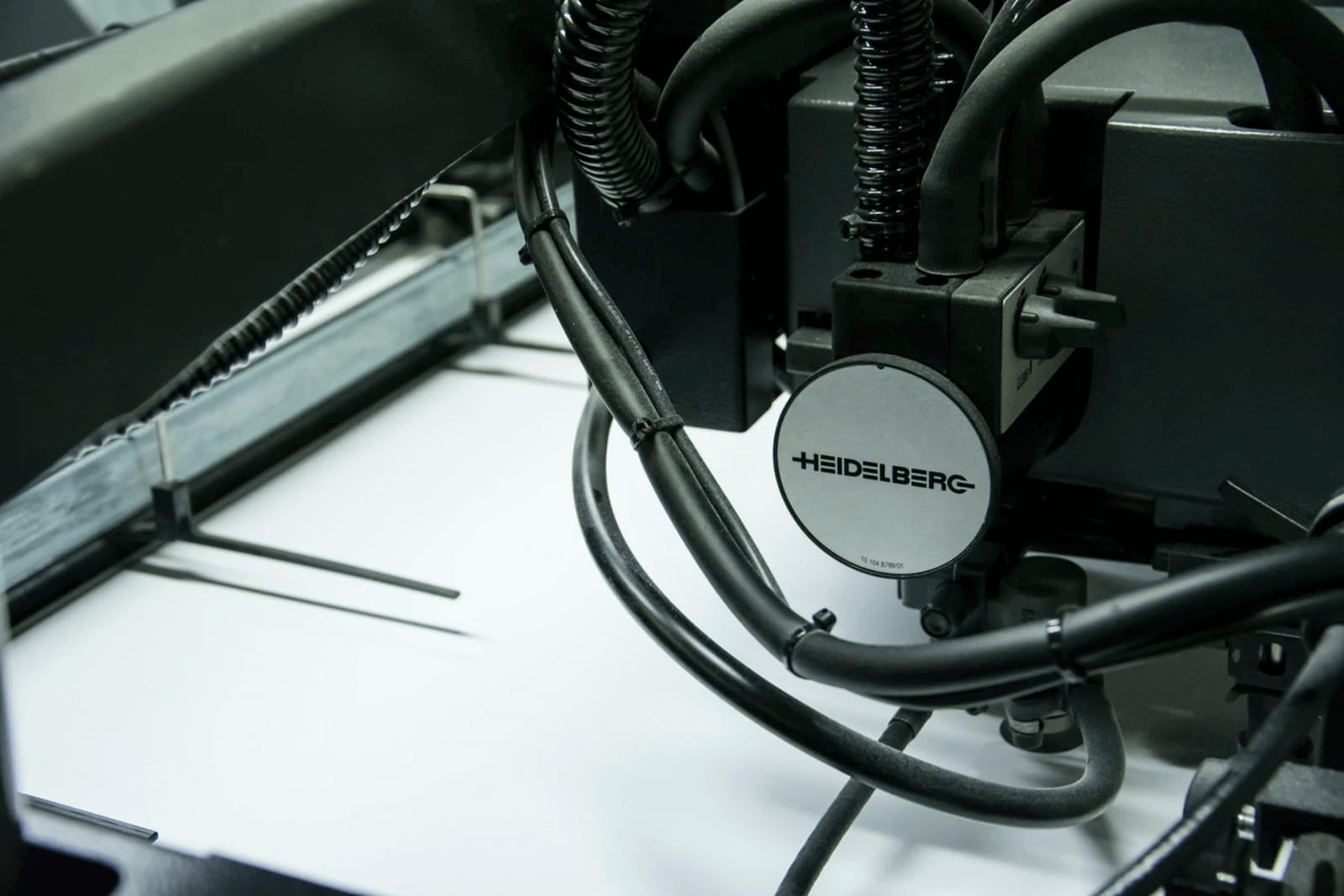
If you want to print a complicated t-shirt design, the direct to garment works best.
You can mix and match colors or follow gradients. Other techniques only have a limited amount of colors to print on a shirt, depending on available ink. Also known as digital printing, direct to garment method allows you to print as many colors as you need through its inkjet technology.
If you want a faster turn-around for bulk t-shirt printing, the direct to garment method works well in plastering the design on the shirt right away, regardless of how complex the artwork is.
3. Cut and Sew
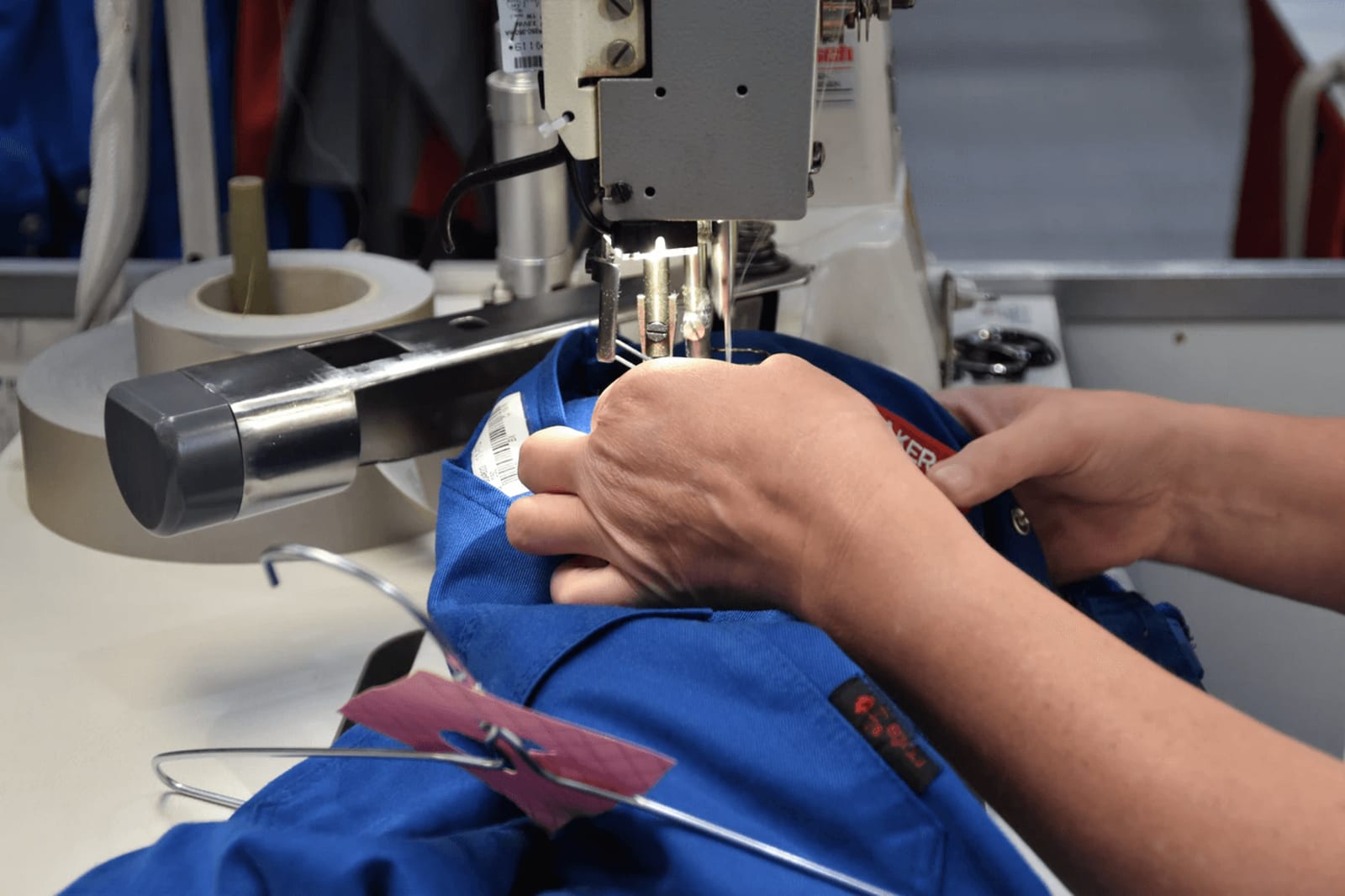
For a fully customizable option, the cut & sew technique allows you to have a more personalized design on a shirt.
In other methods, the artwork is printed on the t-shirt. Meanwhile, the cut and sew method prints the design first on the fabric before it will be formed into a garment. The method works well if you need to create a shirt from scratch.
The usual printing size on a shirt is A4, limiting the options to print large or custom designs. Cut and sew allows for more sizes, not just limited to the typical A4. Printing an entire piece of clothing is also possible with the cut and sew technique.
Taking the customization further, most wholesale garment suppliers already have labels placed on a shirt. With cut and sew, however, you can dictate where to put labels on the shirt.
4. Types of Heat Transfer Printing
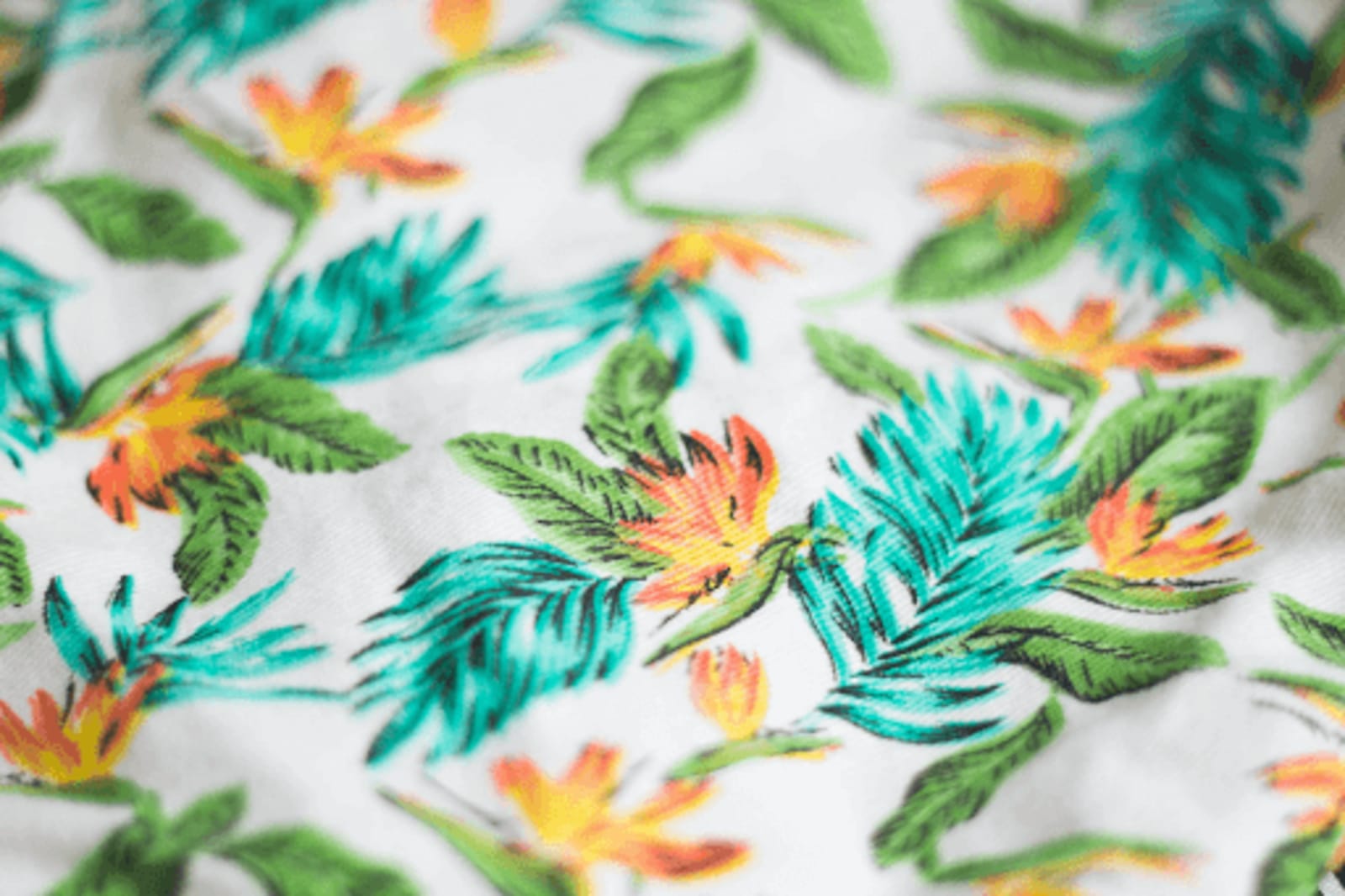
In another commonly used technique, heat is used as a medium to transfer the design onto the shirt. There are several types of heat transfer printing you need to be aware of when choosing which method to use.
- Dye Sublimation - when heated, the dye-based ink turns into a gas which then goes back to solid form, an effective method when printing full graphic designs on a shirt.
- Plastisol Transfers - while similar to screen printing, the plastisol method uses plastisol transfer paper where the design is printed first. The plastisol transfer paper will be the one used to print the artwork on the t-shirt.
To know which technique will work best on your bulk t-shirt printing process, identify the following to help choose:
- The t-shirt design - is it simple or complex?
- Printing size, whether it's the standard size or a full-blown print on the whole garment
- Level of customization needed for the shirt
- Quantity of shirts
- Frequency of orders
Compare the various methods against your bulk t-shirt printing necessities to have a more efficient operation.
Why Bulk T-Shirt Printing Is More Cost-Effective
Simultaneously printing out the shirts in volume will help lower the operating costs in a business. Everything from the t-shirt to the ink to use can be purchased at a discount as suppliers usually have separate pricing for wholesale and retail purchases.
For organizations that need t-shirt merchandise in large quantities, bulk t-shirt printing is an effective way to cut down on the costs than the retail approach.
Another aspect that you need to consider, aside from the t-shirt, is how to create t-shirt designs. If you're running a t-shirt business, the artwork on a shirt is the main reason to buy them. Thus, you have to come up with designs that will appeal to your target market.
Hiring a full-time graphic designer to create t-shirt artworks may be a tad more expensive, especially if you're still starting on bulk t-shirt printing. Among the more cost-effective option can be:
- Hiring part-time freelancers - this option works well for one-time t-shirt design creations. However, unsustainable if you need more designs regularly.
- Subscribing to design services - several firms can give you access to a graphic designer to work on your t-shirt design projects, and you only need to pay a monthly subscription fee. It's an effective method to cut costs while still having an unlimited number of designs to create.
Among the design firms that can provide you with unlimited graphic designs and revisions is Delesign. There's no need to worry about quoting per design or running out of t-shirt design ideas. The talented graphic designers at Delesign can take on the job so you can focus on managing your t-shirt business.

Raffy is involved in SEO and digital marketing. He gravitates towards upcoming technologies, startups, and is an avid learner.