Branding is more than just your logo. It's the total sum of all your company's visual and verbal communication. And it's a critical component of any successful business plan. In order to build the brand that you want, it helps to understand some basic design principles—the same ones that have helped make brands like Coca-Cola and Apple so iconic. We'll cover these principles below and show you how they can help you create a memorable brand for yourself or your business:

Brand, like design, is all about communication.
The brand you create is all about communication. What message do you want to convey? How do you want people to feel when they interact with your product or service? The foundation of your brand identity lies in the answers to these questions.
Of course, there are many ways to communicate a message: through words, phrases, images, and sound. But in this article we will focus on visual elements—the look of a brand’s logo, typography, and color palette—which have the ability to both reinforce an existing tone and evoke feelings. Consistent use of these elements reinforces familiarity for consumers while also creating an effective way for them to distinguish your business from others in its industry.
So, how do you create a brand that people will remember? Check out the following tips.
1. Create an archetype.
A brand archetype is a framework for designing your brand, like an outline or pattern that you can use to guide your decisions. It's based on an existing archetype (such as "Dilbert") that has been proven to work in the past and appeals to your target audience.
For example, if you're creating a design style guide for a software company, you might use the following:
- A cozy living room with bookshelves full of tech manuals and nerdy knickknacks—To show the brand's familiarity with its users' interests, who are often engineers or IT professionals. This would be conveyed through colors such as blue, gray or black and white; fonts like Futura Medium Condensed; images of computers or people wearing glasses; etc., all used together in one place. The idea is that everything will feel familiar since it reminds them of themselves!
- A friendly and approachable mascot—This would be a happy, smiling character that conveys friendliness and a sense of fun. It could be an animal, person or robot, but whatever it is should have round shapes and simple lines. This helps establish credibility by making the brand look timeless; it's also something people can relate to since they've probably seen similar mascots before.
- A clean and minimalist layout—This would be similar to what you see on websites like Twitter or Facebook. There are no unnecessary elements that get in the way of reading; everything is laid out clearly and efficiently so readers can easily find what they need. The idea is that this approach makes the website look clean and professional, which will help establish credibility.
- A fun and engaging story—This would be a short paragraph about what your brand does, who it serves, and why people should care about it. It should be written in a friendly, conversational tone; use humor where appropriate. The idea is that this helps establish credibility by making readers feel like they already know you.
- A strong call to action—This would be an invitation for people to sign up for your newsletter or download your free ebook. It should be placed prominently in the middle of the page, so readers can't miss it. The idea is that this helps establish credibility by making readers feel like they already know you.

2. Test, test, and test again.
You've done all the research and created a memorable brand. The next step is to test it.
- Test your brand name, logo, and website with your target audience. Ask them what they think of the new look and make sure they understand who you are. Do they connect with the brand? Are there any modifications needed?
- Test your logo in different colors and sizes. Does it work well when shrunk down on phone screens or enlarged for billboards? Does it still look recognizable on black backgrounds or white backgrounds? How does it look when printed on t-shirts, hats, or stickers versus other products like water bottles or coffee mugs (or even pens)?
- Test your website on different devices: desktop computers, tablets, and smartphones are all used differently so make sure everything looks good across all platforms before launching your rebranding campaign!
If all goes well, you will have a brand that is instantly recognizable and easy for your customers to connect with. Your new branding should reflect what’s important about your company in the most effective way possible.
3. Embrace simplicity.
Simplicity is the ultimate sophistication. — Leonardo da Vinci
Simplicity is a design principle that can be applied to every aspect of your brand, from the logo and color scheme to the overall message it conveys. It's also one of the most effective ways to create a memorable brand since simplicity helps people quickly and easily understand what you do and why they should care about it.
Here are five reasons why designing with simplicity in mind will make all your other marketing efforts more effective:
- It helps people understand your message quickly and easily.
- It prevents you from diluting your brand by adding unnecessary elements that don't add value to your business or its audience.
- It allows for a more cohesive design that feels familiar and comfortable (even if it's new).
- It makes it easier to create unique, custom content that aligns with the rest of your brand's messaging—and doesn't feel like an afterthought or copycat attempt at originality.
- It helps you avoid feeling overwhelmed when it comes time to update your website or create new marketing materials since there are fewer elements in need of updates or replacement as time goes on.
4. Create a brand style guide.
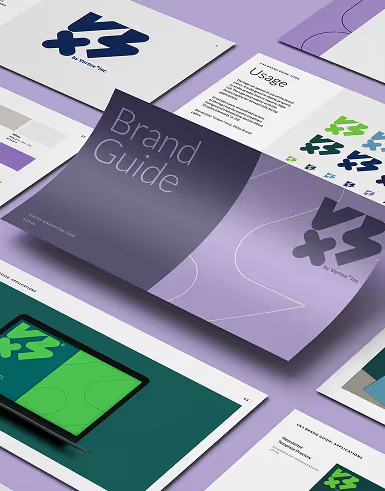
A style guide is a document that describes the standards for how your brand should look and feel. It’s a set of rules and guidelines that gives you the tools to create consistent visuals across all channels—from websites to email campaigns to social media posts. It’s also a great way for new team members to learn about your brand and how they can contribute to their areas of expertise.
Here’s why creating one is so important: if you don't have a style guide, it's likely that multiple people will make choices that don't align with each other, which could result in confusing branding elements (i.e., inconsistent visual elements) or even conflicting messages (i.e., different types of content).
What should be included? Here are some things we recommend including:
- Brand identity/logo description, usage guidelines, and brand assets (color palette/typography)
- Naming conventions for products/services/websites (and their sub-pages)
Why does it matter? For one thing, having a style guide ensures that you have a consistent brand image across all platforms. It also makes it easier for new team members to learn about your brand without having to ask someone else about it. In other words, there’s less confusion and more efficiency—which means that you can spend less time worrying about how things look and focus on creating great content instead.
In addition, having a style guide can help prevent any legal issues that might arise from using copyrighted material without permission. Your style guide should include examples of your brand’s visual elements so that it's easier for people to understand how things should look when they're creating content on behalf of your company.
You should also include a section on how to use your brand’s name. For example, if you’re a company that sells t-shirts and hats with its logo printed on them, then it’s important to explain that only official merchandise can be sold with this branding. If someone else tries to sell unofficial merchandise with your brand's name or logo printed on it, they're violating trademark law (which means you could sue them for damages).
Branding is more than just your logo.
The first step in creating a memorable brand is to accept that branding is much more than just your logo. While it's certainly true that having a great logo can help you stand out, your company's identity isn't just about what people see on paper. Branding is about creating a unique experience for your customers and telling the story of who you are as an organization.
It's about creating an emotional connection between your customers and your business. With that in mind, it's time to take a look at some of the most powerful and memorable brands throughout history.
Final Thoughts
If you’re just getting started with branding, it can be a daunting process. But as long as you keep your audience in mind, keep things simple and test often, your brand will stand out from the crowd.

Krisana is a journalist turned SEO Content Writer with keen interest in tech, software, and innovations. She is an avid fan of Elon Musk and wants to be part of the future Human Mars Mission. In the meantime, she spends her time researching and writing about everything that could make life a better place on Earth. Outside of work, Krisana dedicates her time with her two lovely kids.