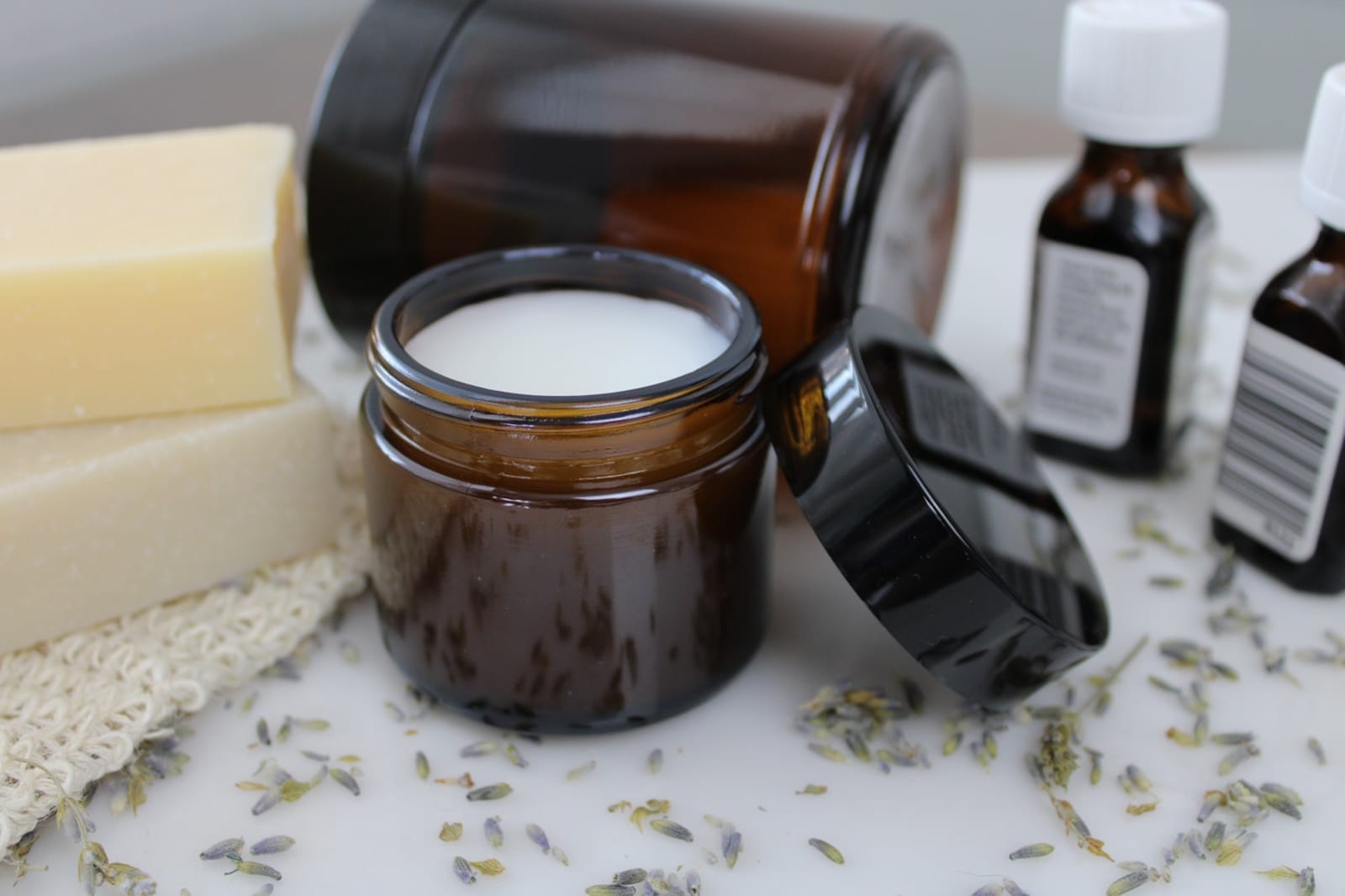
Packaging design is said to affect over 70% of American buyers' purchasing decisions. That is proof that design matters and businesses should begin investing more in the appearance of their packaging to ensure that they are creating the appropriate impressions on their target audience.
When it comes to competitive businesses like cosmetics, having a design that stands out might be the difference between success and failure. But how exactly do you create packaging that makes your ideal buyer scream, "I need that blush right now!" Don't fret. When it comes to creating packaging that stands out and gets your products into the hands of your customers, Delesign has you covered!
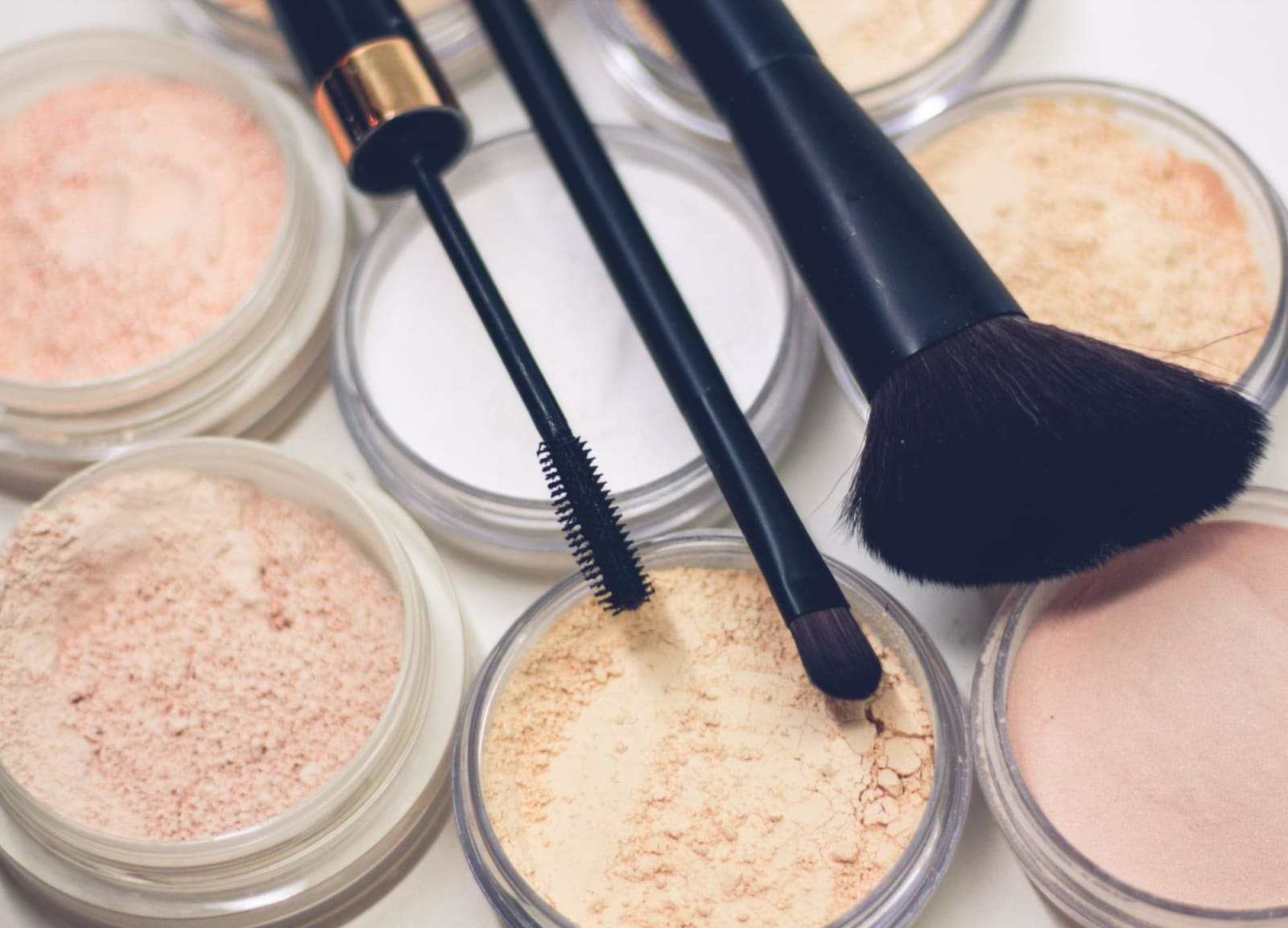
Cosmetic Packaging Design First Steps
Before you get into the nitty-gritty of creating your brand's cosmetic packaging, there are a few fundamentals to consider: What is your brand's personality? Who is your target market? How will customers get their hands on your product?
After you've answered these three questions, you'll have a better idea of what kind of packaging you'll need to be successful.
1. Define your cosmetics brand's personality.
Define your identity and what you stand for.
While this may be a simple task for some, others may find this to be the most difficult exercise of the entire endeavor. Whatever category you fall into, we recommend starting with the product or items you aim to sell and working your way up from there.
In the end, what you sell determines the best way to identify your brand. It also influences the messaging you use and the design approach you choose to communicate what you stand for.
For example, if you’re selling high-end cosmetics, upmarket materials and a luxurious experience are a natural fit. A lighter, more caring touch is required when marketing pregnancy or newborn-care items. Men's grooming necessitates an entirely different technique, as does a more health-conscious approach to personal grooming.
Define your brand's values. Luxury products imply luxury branding. Will it be luxury with a twist? Is it going to be glamorous? Will it be accessible to many, meaning high-end products at a reasonable price? Or would it be more upmarket and environmentally conscious?
Finally, because you'll want your brand and product lines to be closely linked, your brand will dictate a lot of your early packaging design. That doesn't mean you can't be innovative with your packaging, but consistency is key to establishing a loyal customer base.
Consider the tips above when creating a company logo, color scheme, messaging, or other elements that give your brand a unified look. Whether you're a startup, a rebranding company or an established company looking to broaden its appeal, identifying your brand’s personality makes the packaging design process much more manageable.
2. Position your brand.
The practice of distinguishing your brand from the competition is known as brand positioning. In the skincare and cosmetics industries, your company will face stiff competition from a plethora of other businesses offering comparable products – how will you ensure that yours stands out?
When it comes to positioning your brand, competitor research is crucial. Pick up to 4-5 competitors who sell similar products to yours and spend some time looking at their websites, social media platforms, messaging, colors, labels, and packaging.
Examine what they do well, what they do poorly, how they interact with their audience, and, most crucially, any areas where your business could improve.
Figure out how to stand out by offering a fantastic, high-quality product that people will adore, as well as a compelling cause for consumers to choose your brand over competitors. When many beauty and skincare enterprises first start out, they struggle with brand positioning, resulting in product labels that confuse their ideal clients or appear too DIY.
3. Create a look that appeals to your target market.
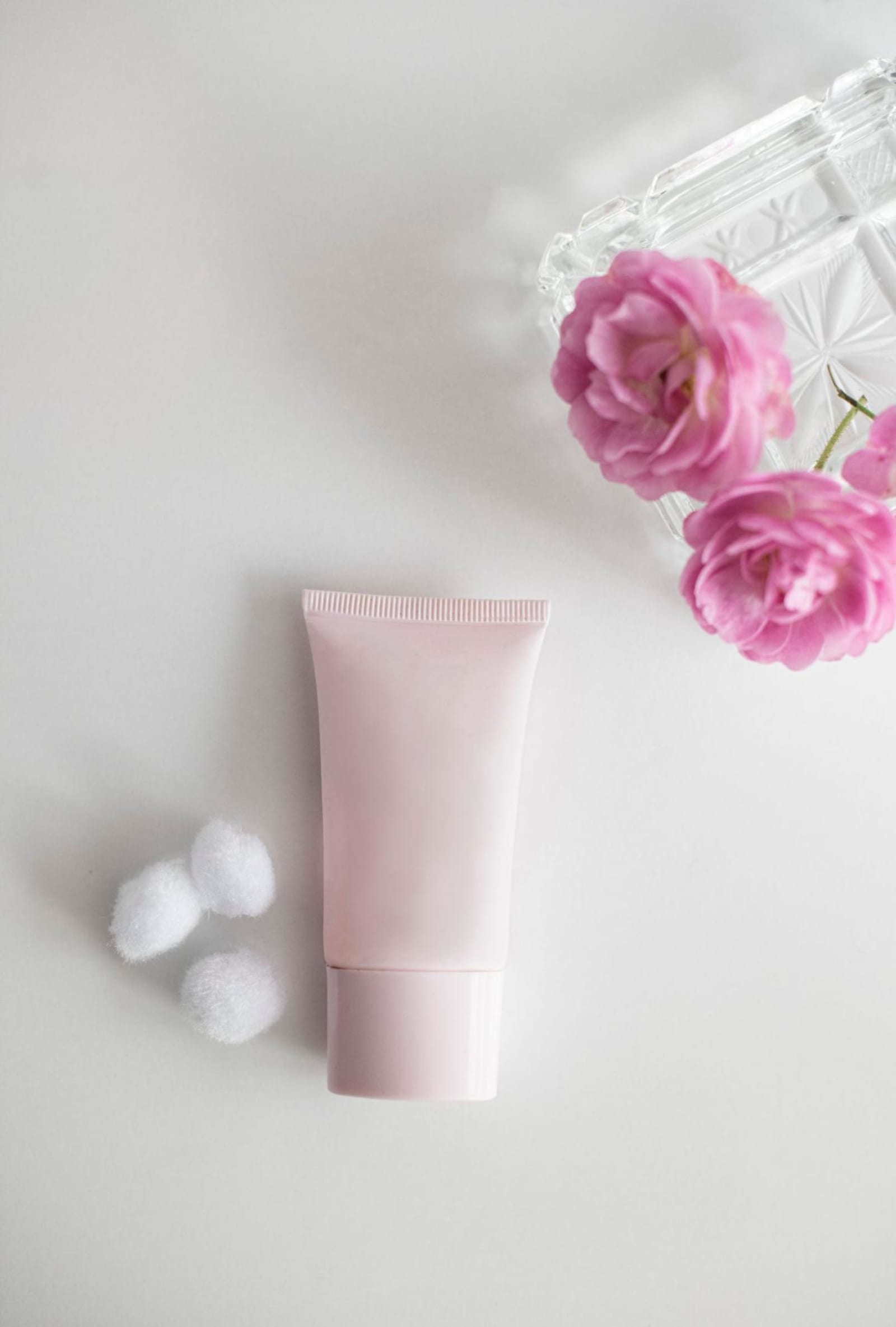
Right now, the cosmetics sector is an exciting place to be. In this consistently solid market, consumer demand is strong. When you design your cosmetic packaging with your target clients in mind, you get a better understanding of who is most likely to buy your items. Incorporating current design trends into your packaging and labeling can significantly increase product sales, ensuring the long-term success of your brand.
4. The Color choice is important to create the packaging's image.
The color palette of a product is crucial when developing a brand's beauty packaging. Color may make a brand more appealing, but it also plays a role in establishing brand identity.
Because of their links with the Earth, eco-conscious businesses frequently utilize variants on green and brown hues.
Companies with brands that express edginess and darkness frequently choose very darkly to neutral tones to do so.
On the other hand, red and pink are popular cosmetic and scent hues due to their connections with passion and femininity, respectively.
5. Consider your distribution and market strategy.
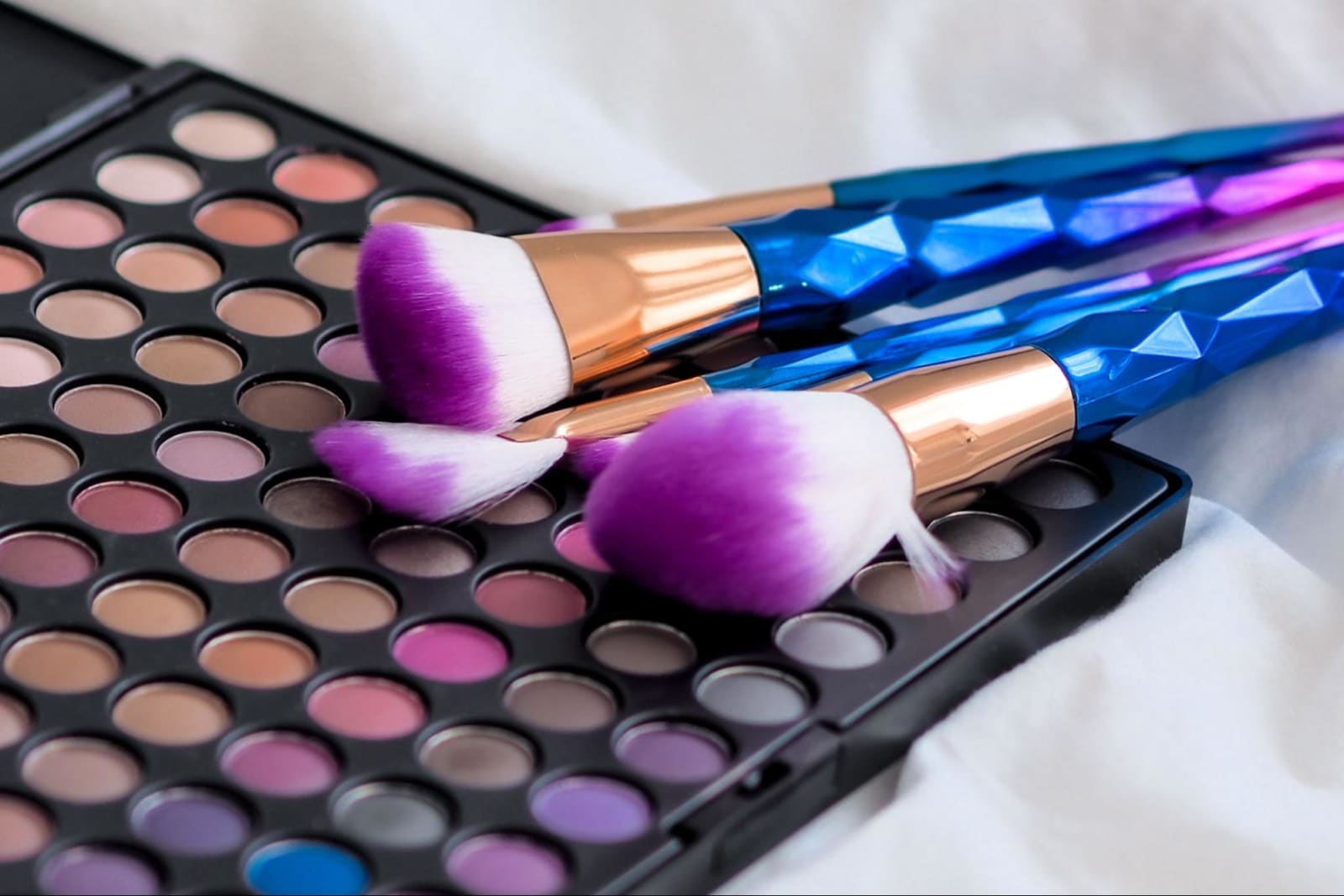
You should think about where your prospective customers will come across your stuff. There won't be much of a difference in design methods between things offered online, in small boutiques, and at huge retailers, but the point is to make sure your products stand out amid dozens of others. Products with bold packaging designs have a better chance of getting seen by buyers when placed in aisles in a major retailer. However, at a tiny boutique, you must cater to the more refined and fashionable customers. It's possible that a strong design would fail, but subtle touches and understatement are more likely to succeed.
Do your beauty items require a one-of-a-kind packaging design? Delesign can assist you in developing a brand strategy and design to attract new customers and increase sales. To know more about how Delesign can help with your design needs, please use this contact form .

Krisana is a journalist turned SEO Content Writer with keen interest in tech, software, and innovations. She is an avid fan of Elon Musk and wants to be part of the future Human Mars Mission. In the meantime, she spends her time researching and writing about everything that could make life a better place on Earth. Outside of work, Krisana dedicates her time with her two lovely kids.