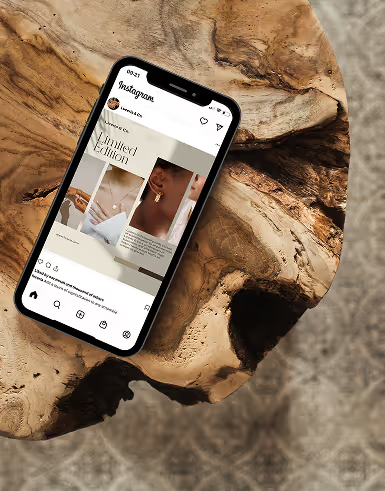
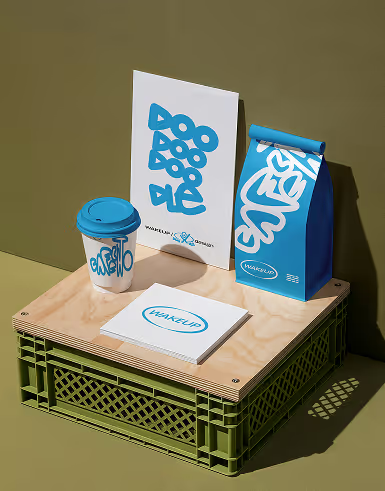
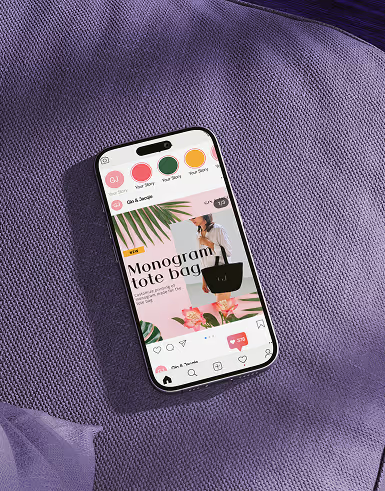
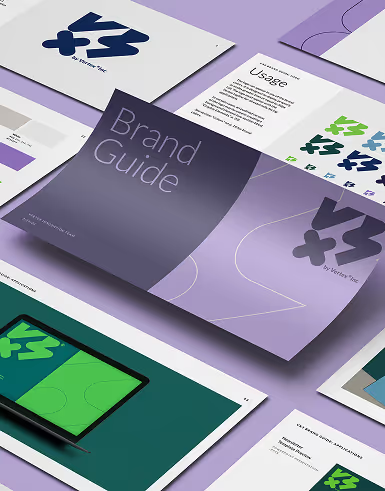
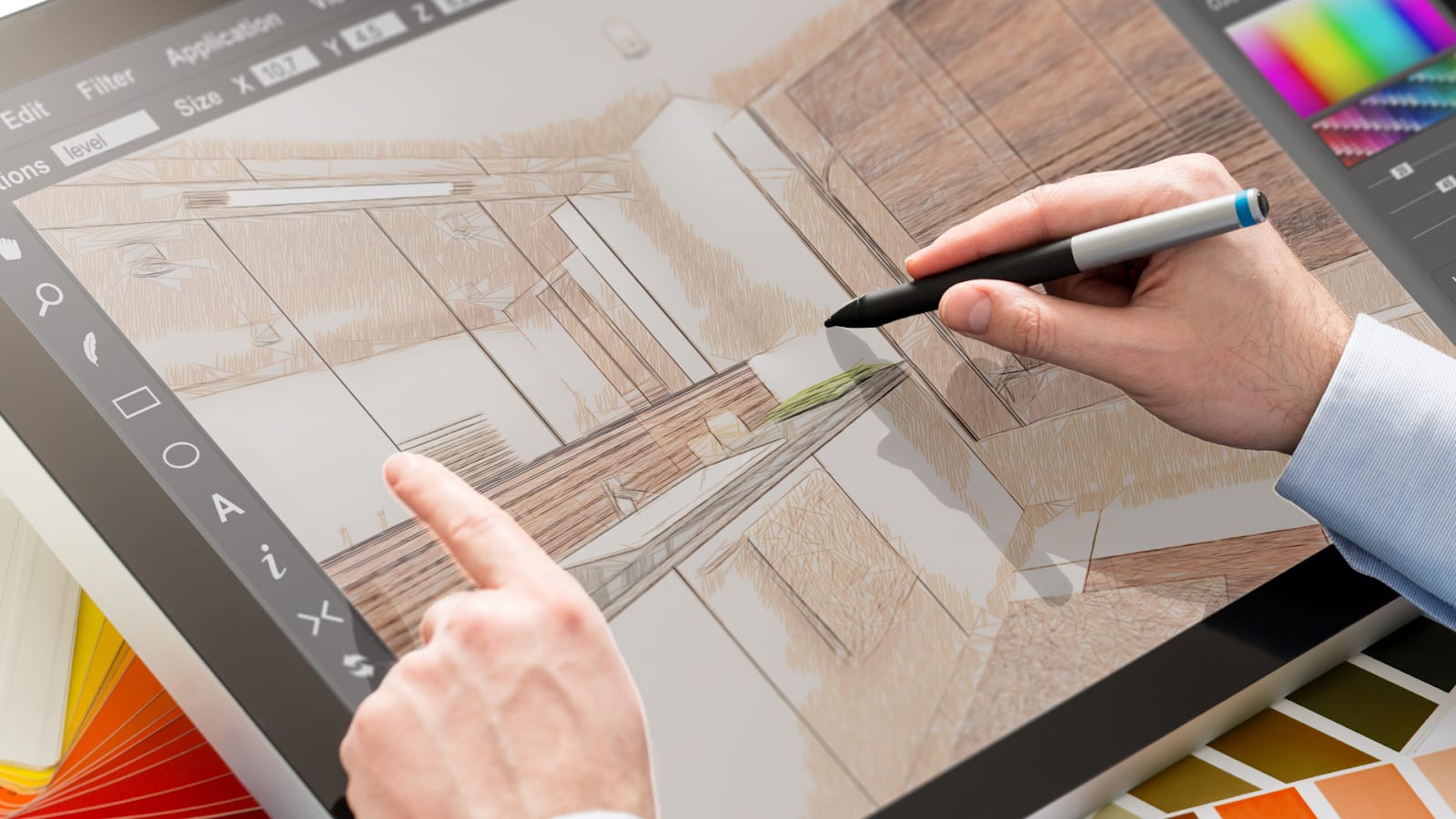
Interior graphic design is an effective and powerful way to create a unique look and feel for any brand. It enhances the overall identity of your organization by creating a strong visual impact that resonates with customers. Not only does it provide an aesthetic, but the interior graphic design also helps to communicate your core values and messages creatively and meaningfully. By understanding the power of interior graphic design, businesses can make sure that their brand identity stands out in the crowd and is instantly recognizable.
Importance of Brand Identity in Business
Brand identity is the visual representation of a company's reputation and values. It is the way in which a business presents itself to its customers, stakeholders, and competitors. The importance of brand identity cannot be overemphasized, as it is crucial for businesses to have a unique identity that sets them apart from their competition.
Below are a few benefits of a strong brand identity to businesses:
- It helps businesses build trust and credibility with their customers. This can lead to increased customer loyalty and repeat business.
- It makes it easier for businesses to establish themselves in their market niche, as they are more likely to be recognized by potential customers.
- It can help businesses attract new customers by creating an emotional connection with them. When people feel connected to a brand, they are more likely to choose it over other options available in the market.
How Can Interior Graphic Design Enhance Brand Identity?
Interior graphic design plays a significant role in shaping the brand identity of any business. It is not just about filling up blank walls with art pieces or adding color to the space; it is more about creating an environment that represents and communicates a brand's essence. A well-crafted interior graphic design can enhance customer experience, boost employee morale, and help businesses establish themselves as industry leaders.
The first impression that customers have of a business can shape their perception for years to come. The interior graphic design of a space can be used to create an inviting atmosphere that makes customers feel comfortable and at home. This sense of ease promotes customer loyalty and encourages repeat visits.
Additionally, when employees work in an environment that reflects the values and mission of their company through thoughtful interior graphics, they are more likely to feel connected with the business on a deeper level, leading them to provide exceptional service.
Elements of Brand Identity
Below are some of the ways that interior design can reinforce a brand identity:
1. Logo
When it comes to building a strong brand identity, the logo is one of the most important elements. A logo is essentially the face of a brand and represents its values, mission, and overall personality. It's what people first recognize when they think of a company or product.
A well-designed logo can:
- Convey a lot about a brand with just a glance. It can communicate professionalism, playfulness, innovation, or any other characteristic that the brand wants to portray. In fact, the logo is the #1 most recognizable brand identifier, followed by the visual style. 75% of people recognize a brand by its logo, 60% by its visual style, 45% by the brand's signature color, and 25% by its unique voice. For this reason, many companies invest heavily in developing their logos and placing them at the forefront of their digital marketing campaigns.
- Serve as an anchor point for all branding efforts. It provides consistency across various platforms such as social media profiles, business cards, websites, and advertisements. This consistent representation reinforces brand recognition among customers and helps to establish trust between them and the company.
2. Color Palette
A color palette is a combination of colors that are used consistently across all branding and marketing materials. It is an essential element of brand identity as it:
- Helps to establish a recognizable and memorable visual identity for your company.
- Make an instant impact on how customers perceive your brand and differentiate you from competitors. Color has the power to evoke emotions, associations, and memories.
When creating a color palette for your brand, it's important to consider the psychological effects that each hue may have on your target audience. For example, blue evokes feelings of trust and dependability, while red may create a sense of urgency or excitement.
3. Typography
Typography is the art and technique of arranging type to create a written language that is legible, readable, and appealing when displayed. When potential customers come into contact with your brand, they make assumptions about who you are based on what they see. Typography provides an immediate visual cue that can either attract or repel customers.
Typography plays a fundamental role in branding because it:
- Helps communicate your brand’s personality, tone, and values. A well-designed font chosen for your logo creates an emotional connection between your company and its audience.
- Can convey authority or friendliness, sophistication, or approachability – all crucial attributes that help people decide whether to engage with your business.
4. Visual Style
The visual style plays a significant role in establishing the personality and character of a brand. A strong visual style can help differentiate your brand from competitors and create a memorable impression on your target audience.
When developing a visual style for your brand identity, it's essential to consider the emotions you want to evoke in your audience. The right combination of colors can communicate different moods and feelings; typography choices can convey authority or friendliness; imagery can evoke certain emotions or create an aspirational lifestyle that resonates with your target market.
How to Reinforce Brand Identity Through Interior Graphic Design
Below are some examples to illustrate how the same brand identity can be expressed in different ways through interior design.
1. Use of brand colors in interior graphics
Using brand colors in interior graphics can be used to make a lasting impression on customers, employees, and other stakeholders. Here’s how to do it right:
- Identify which colors are associated with your brand. These colors may be outlined in your company style guide or logo design.
- Once you know what they are, you can begin to incorporate them into your designs with purpose and intentionality.
- Consider painting walls or installing signage that prominently features these colors near key areas like entrances, reception desks, conference rooms, or any other high-traffic areas where they will have the most impact.
2. Incorporating brand logos and typography into interior design
One effective way to incorporate brand logos into interior design is by creating custom wall art or murals. This not only serves as an eye-catching feature but also reinforces the brand's message to customers.
Typography can also be integrated into interior design through signage, such as directional signs or inspirational quotes displayed throughout the space. These elements serve as subtle reminders of the brand's values and mission.
Keep in mind that incorporating branding elements into the interior design should not be overdone or forced upon customers. It should feel natural and blend well with the overall look of the space.
3. Creating a consistent visual style throughout the space
When customers walk into your establishment, they should be immediately greeted with a cohesive and unified image that represents your brand. This can be achieved through a variety of different methods, including:
- Color schemes. One way to create consistency in your visual style is by utilizing a specific color palette throughout your space. By selecting two or three colors that represent your brand, you can ensure that every element within the space (from wall paint to furniture) works together harmoniously.
- Design elements. Incorporating design elements like logos or graphics can help reinforce the overall theme of your brand.
Great Company Examples
Below are some examples of companies that were able to enhance their brand identities using interior graphic design effectively:
Starbucks
The iconic green color palette, along with the use of the Starbucks logo and typography throughout the space, creates a visually appealing and cohesive brand experience for customers.

Source: Discern Living
Nike
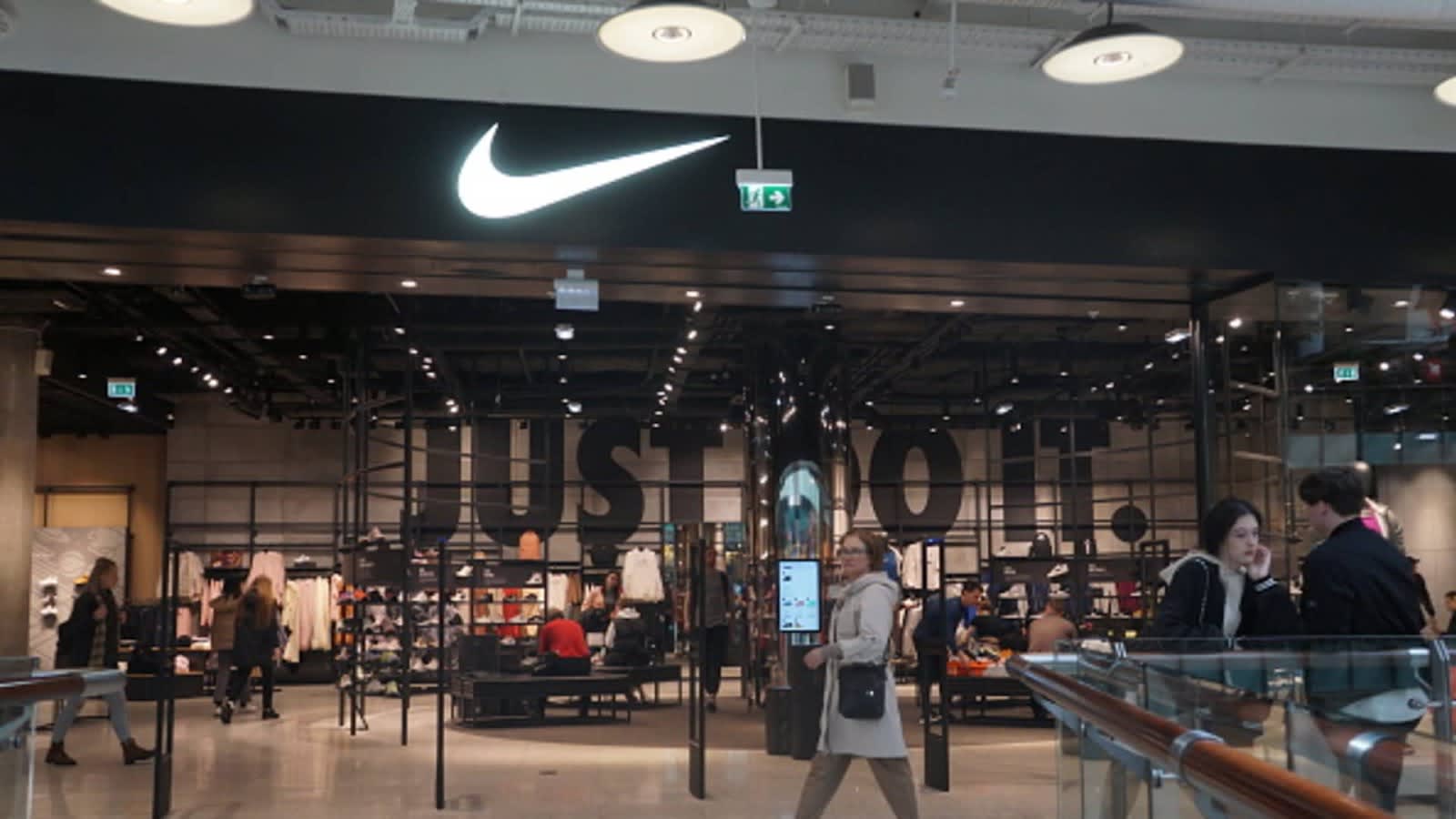
Nike has incorporated their signature "swoosh" logo and typography into its interior design to create a space that reflects the brand's values of innovation and performance.
SOURCE: CNB
Apple
The minimalist design and clean lines used in Apple's interior graphics create a visually appealing and functional space that reflects the brand's values of simplicity and innovation.

Source: Forbis
Final Thoughts
Interior graphic design is an effective way to enhance a brand identity in any business. By using signage, logos, color palettes, and other visual elements, businesses can create an interior environment that resonates with their customers and reinforces the company’s mission and values.
Through thoughtful design choices, businesses can create a more immersive experience for their customers and make their company’s message stand out from the competition. The potential of interior graphic design to maximize customer engagement and loyalty should not be underestimated.

Krisana is a journalist turned SEO Content Writer with keen interest in tech, software, and innovations. She is an avid fan of Elon Musk and wants to be part of the future Human Mars Mission. In the meantime, she spends her time researching and writing about everything that could make life a better place on Earth. Outside of work, Krisana dedicates her time with her two lovely kids.