Having a tasty meal or food product is not enough to sell a dish. You also need to know how food industry marketing works.
While several marketing strategies work for various sectors, the approach is different in food industry marketing. There is a pressing need to convey the taste and aroma of food within an image or video.
To advertise their store, 88% of restaurants use some form of marketing. Studies by Statista indicate that the ad spends on food products cost billions of dollars in the United States. For canned, frozen, and preserved food specialties, the sector had a $29.1 billion spending on advertisements in 2019.
With the amount of effort and expenses poured into food industry marketing, you have to ensure that your tastefully done advertisements will also bring flavorful profits to your business.
How Do You Do Food Industry Marketing?
Winning over customers to order your palatable dishes or buy your edible produce needs an effective marketing strategy. Here are the key food industry marketing measures to include in your plan.
1. The Perception of Your Brand
Marketing works better when you have a recognizable brand, one that people are aware of and can differentiate from among the myriad of competitors.
Remember that brand reputation affects the purchasing decision of food consumers. Over 90% of customers will do research first about a restaurant before they decide to dine.
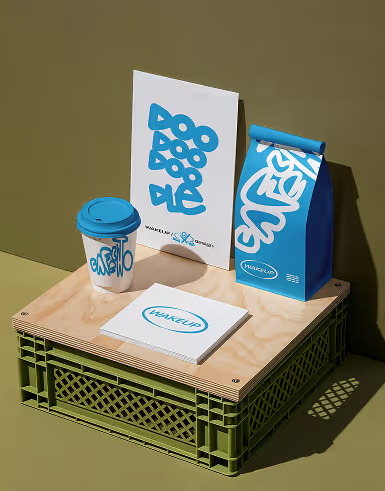
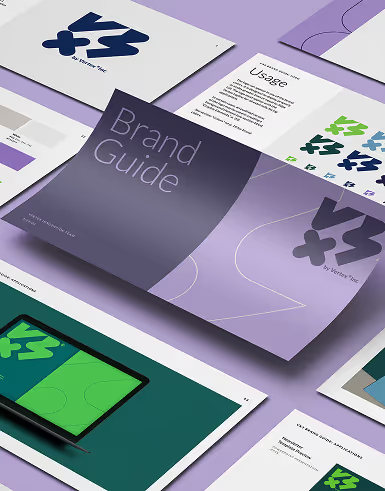
People prefer to buy or consume food products that are relatable to them and whose brand equity reflects the value to them. One of the universal brand awareness tools is the logo, an essential part of your brand identity that needs to be present consistently or adapt to changing times.
For instance, when Burger King unveiled a brand new logo after 20 years, they had a 26% increase in traffic from their drive-thru orders. Another example is the omnipresent golden arches which consumers recognize as the fast-food giant McDonalds. In your food business, utilize your logo and other marketing materials for effective brand awareness.
Be consistent in your branding, from the brand name to the colors that you use. Stick to the brand image you are trying to impart, such as going for a French-cuisine inspiration or advocating sustainable ingredients.
2. Food Presentation and Packaging
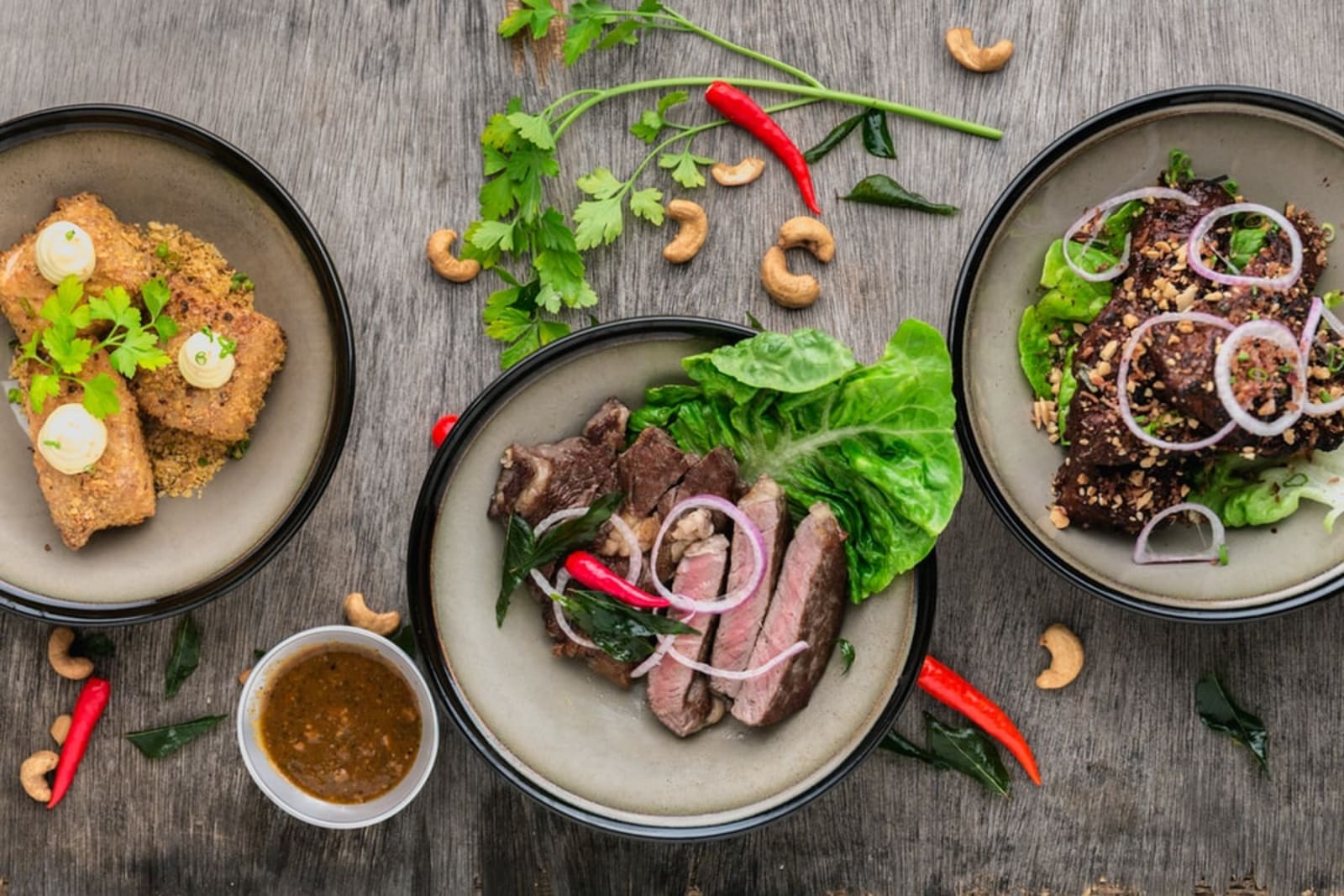
A key aspect of marketing your dishes largely depends on how you present the food. Since you are serving food products, it has to be in neat packaging or a tantalizing plating arrangement.
Having food that tastes great and looks equally appetizing becomes a baseline in your food marketing strategy. You are setting an expectation, impressing upon the consumers the delectable taste of your dish based on the images they see on your ads, display banners, and other forms of advertising.
A joint study from Montclair State University and Culinary Institute of America made an astounding conclusion affecting how a consumer views the food as delicious or not when presented differently. Even when having the same ingredients, diners had different views of the meal. They liked the flavor of the sautéed chicken breast with an attractive plating arrangement. In contrast, the less presentable dish had a less positive tasting experience.
Thus, the presentation and packaging influence how you can effectively market them to buyers. Whether you have a sit-down restaurant or manufacture foods displayed in the grocery aisle, you need to make buyers notice the food items that you are selling.
3. Identifying Target Consumers
In crafting your food marketing strategy, you need to keep your target market in mind. The tone, language, and visual elements you will be using must appeal to your preferred demographics or set of consumers.
By getting to know your target consumers - whether they are single households or entire families - you will have a better idea of creating marketing campaigns that speak to them. Thus, making it easier to convince them to taste the dish you are offering.
To identify the ideal demographics who will take a liking to your dish, you need to segment the market. Keep an eye for the following to better know your ideal customers:
- Majority of the population within the vicinity of your restaurant
- Their income bracket
- Customer profiles frequenting your dining spot - what is their age or gender?
- Length of stay and how often they come in to dine
These and more other aspects about knowing who your customer is will make your food industry marketing more effective. For instance, you can set-up targeting campaigns on social media devoted to gourmet food lovers, which in 2018 comprise 67% of Millenials.
4. Knowing What’s Trending
People can get tired of the same old options at their favorite dining spot or the snacks they are buying. Thus, food businesses continuously change ingredients or add variations to bring a range of tastes.
A food business has to keep up with the current preferences of consumers. You have to keep innovating your dishes according to the changing tastes of the public.
Among the on-going trend that you may need to look into if they are applicable are as follows.
- Healthy food meals
- A plant-based alternative for meat products
- Food delivery services
- Local food communities
If you want your food business and products to stay relevant, you need to catch-up with the hottest trends that consumers are craving. In turn, this will make your marketing campaigns attuned to the ever-evolving taste of consumers.
5. How Do You Advertise the Food?
The way you advertise the food should be one of the things to consider in food industry marketing.
Some food businesses go for just shots of the meal while others add a human element through a model or an endorser. Having advertising collaterals that feature a person ignites the feeling they will get when they taste the food. Conversely, focusing on just the food itself puts the spotlight on its appearance or ingredients.
Whether you choose to have the human element or not, make it a point to highlight what will make customers crave the dish.
Being consistent in the way you advertise the food is key to setting expectations. Make sure that it complements the branding of your product. Match the visual tones and format to use according to the value your brand or food product provides.
6. Marketing Distribution Channels
From online channels, such as social media, to offline advertising, there are several ways to market your dishes. Take advantage of the various marketing channels at your disposal.
The advantage of being omnipresent across several marketing channels is maximizing the exposure to potential consumers of your food product.
People use different avenues to buy anything, from meals to groceries. For instance, only 9.6% of the Gen Z population buys in a physical store. A large part of their buying journey is online, and it varies across several platforms.
Be aware of which among several digital platforms will be most beneficial in promoting your business. Take well-curated photos of the charming interiors in your place or have IG-worthy food pictures and blast them out on Instagram. You may also partner up with food vloggers to take appetizing capture of your dishes, an effective method to target consumers on YouTube.
How Do Food Companies Market Their Products?
These vital factors mentioned above are inherently beneficial for food industry marketing. Another aspect that you need to look at is the design element of the marketing materials.
Capturing the attention of buyers and customers starts with a well-crafted graphic design. Advertising is not complete without the visual elements that pop out in digital marketing campaigns and strategically placed billboards and banners.
To craft attractive graphic designs with your food, subscribe to third-party design firms such as Delesign. With its pool of talent, you can have endless ways to market your dishes. Delesign will help you come up with mouth-watering designs that will stir the appetite of your target consumers.

Raffy is involved in SEO and digital marketing. He gravitates towards upcoming technologies, startups, and is an avid learner.