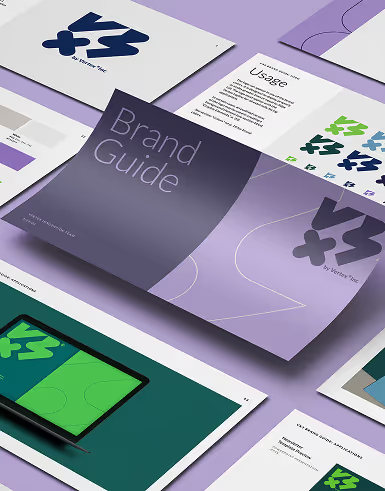
Effective graphic design for small businesses plays an important role in attracting customers, building brand identity, and driving growth. Graphic design is a strategic investment that impacts your business’s success. By prioritizing good design, small businesses can create a lasting impression, build trust, and accumulate loyal customers.

8 Tips to Create Effective Graphic Design for Small Businesses
Whether you’re creating a logo, designing marketing materials, or revamping your website, here are eight essential tips to help you make the most of your graphic design efforts:
1. Understand Your Audience
Before diving into design, take the time to understand your target audience. Who are your customers? What are their preferences, interests, and pain points? Tailor your designs to resonate with their needs and aspirations.
2. Keep It Simple
Less is often more when it comes to graphic design. Avoid cluttered layouts and excessive elements. Focus on clear messaging, clean lines, and a cohesive visual style. Simplicity not only looks professional but also ensures better readability.
3. Consistent Branding
Maintain a consistent brand identity across all your design materials. Use the same color palette, fonts, and logo variations. This builds recognition and trust among your audience.
4. High-Quality Images
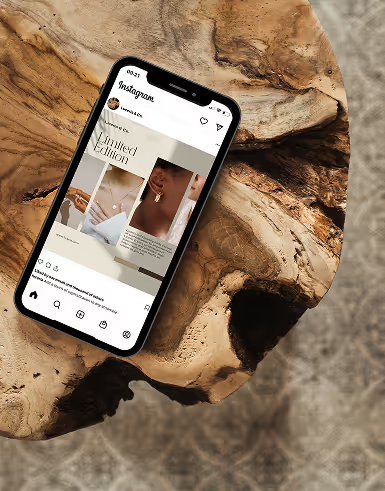
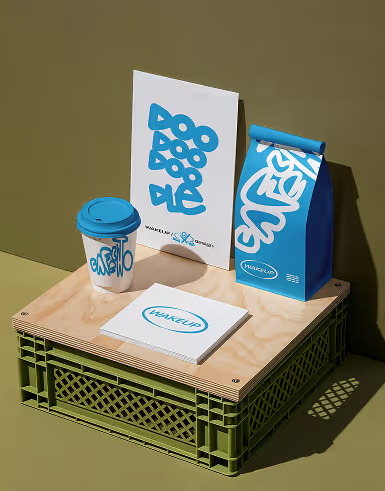
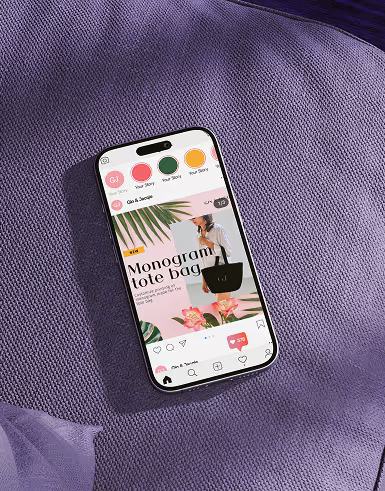
Invest in high-quality images and graphics. Blurry or pixelated visuals can harm your brand’s credibility. Whether it’s product photos, packaging, store facades, marketing merchandise, social media posts, or website banners, prioritize sharp and appealing visuals.
5. Mobile-Friendly Designs
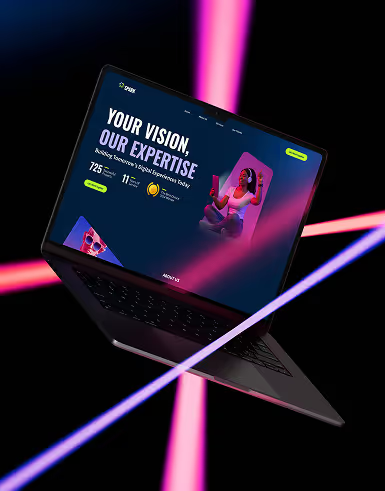
With more people accessing content on mobile devices, ensure your designs are mobile-friendly. Test how they appear on different screen sizes and optimize accordingly. Responsive design is essential for a seamless user experience.
6. Call to Action (CTA)
Every design piece should have a clear call to action. Whether it’s encouraging users to sign up, make a purchase, or contact you, include a compelling CTA. Use contrasting colors and persuasive language to guide your audience.
7. Typography Matters
Choose fonts wisely. Legible fonts enhance readability, especially in longer texts. Pair a clean sans-serif font with a more decorative one for headings. Consistency in font usage maintains a professional look.
8. Test and Iterate
Don’t settle for the first design iteration. Test different versions, gather feedback, and iterate. A/B testing can help you identify what resonates best with your audience. Be open to refining your designs based on real-world results.
Why Graphic Design for Small Businesses Matter
Graphic design is about effective communication, brand consistency, and creating a positive user experience. Here’s why graphic design should be a priority for small businesses:
1. First Impressions
A professionally designed logo, website, business cards, or packaging communicates credibility and professionalism. Well-designed visuals immediately capture attention and leave a lasting impact.
2. Brand Identity and Retention
Graphic design helps create a cohesive brand identity by designing logos, color palettes, and typography that resonate with your audience. When customers consistently see your well-designed brand elements, they remember and recognize your business more easily.
3. Effective Communication
Graphic design allows you to convey complex information in a visually appealing way. Whether it’s an infographic, brochure, or social media post, well-designed visuals enhance communication. A well-organized design makes information easily digestible.
4. Storytelling
Visuals tell stories. Through graphic design, you can convey your brand’s values, mission, and unique selling points. Whether it’s an infographic or an illustration, storytelling engages your audience.
5. Marketing and Advertising
Effective marketing campaigns rely heavily on graphic design. Eye-catching posters, flyers, and social media ads grab attention and increase engagement, leading to more leads and sales.
6. User Experience (UX)
A user-friendly interface is crucial for small businesses. Websites, apps, and online platforms need an intuitive design that enhances user satisfaction. Longer interactions ultimately drive conversions.
7. Conversion
Every conversion matters. Effective graphic design can guide users toward desired actions, whether it’s making a purchase, signing up for a newsletter, or contacting you. Clear calls-to-action (CTAs) enhance conversion rates.
Graphic design ensures clarity in communication. Smaller businesses often compete with larger players and unique designs set you apart. Differentiate your business in a crowded market with a memorable logo, packaging design, or website to make your product stand out on shelves or in search results.

Customers also associate good design with trustworthiness. High-quality design signals reliability and professionalism. Customers are more likely to trust a business with polished visuals. Moreover, internally, well-designed materials boost employee morale. When employees see their company represented professionally, it fosters a sense of pride and commitment.
Graphic design for small businesses should be consistent across channels. It’s important that customers feel a seamless experience all around. Investing in a graphic designer from the start saves you money in the long run. Professionally designed materials require fewer revisions and corrections, which reduces overall expenses. Delesign can provide you with more expert tips on the best graphic design for small businesses, and work with you with unlimited and professional graphic designs.

Mel O is a creative who writes microcopy for digital platforms. She observes social media trends and their impact on pop culture.