In the year 2022, what should higher education marketers be thinking about? Our team has put up a list of higher education digital marketing strategies to consider.
Applying to universities in today's internet environment is a very different experience than it was a decade ago. In the realm of college recruitment, brochures, television advertising, and college fairs all have their roles, but they no longer attract students in the same way they used to. When you consider the immediate satisfaction that individuals have grown to expect when searching for answers on Google, an inbound digital marketing strategy for higher education institutions becomes critical.

Universities enrolled an all-time high of 21 million students in 2010. Since then, enrollments have been steadily declining, with a year-over-year fall of nearly 2% on average. While this may be concerning for colleges that rely on steadily increasing student enrollment numbers to expand and fund their programs, there are initiatives that schools may take to recruit students.
Higher Education Marketing Strategies in a Digital World
1. Branding
Let's face it: branding is critical in 2022 and beyond, regardless of your industry. Branding will assist institutions in defining who they are to potential students. Determining who you are entails informing them of the characteristics that distinguish your institution. According to a Gallup poll conducted in 2015, students have difficulty distinguishing between different school brands and mission statements. This is a chance for an institution to stand out from the crowd.
Developing a BRAND that reflects both the school and its student community is what higher education branding entails. While many schools share some characteristics, each institution has its own distinct characteristics. Your courses, culture, site, community, history, teachers, and alumni are all distinctive and can be used to build your brand.
Consider the types of students you would like to draw and what will entice them to enroll at your school. Above all, make sure it is genuine. You don't want to project a false picture that students will discover once they arrive on campus. Retention is just as vital as acquisition, and negative word of mouth may destroy all of your hard work.
2. The King Is (Still) Video
If a picture is worth a thousand words, then a video is worth a whopping million words. According to studies, 122 million individuals watch at least one youtube video every day, and over 2 billion individuals consume YouTube material at least once a month.
When you consider that over a third of campuses have seen a decrease in campus visits and tours after COVID-19, you have a fantastic chance to display your university through a range of short-form content. Interviews, campus tours, and mini-tours are all easily consumable, entertaining bits of content that will pique a prospective student's interest.
2. Go Mobile
According to current statistics, people spend an average of 300 minutes every day on their phones. Because the generation that higher education institutions are most often seeking to target uses mobile devices to access content, making sure that websites and marketing are mobile-friendly can enhance click rates.
Universities can also micro-target audiences and obtain a large number of high-quality leads rapidly by ensuring that pay-per-click ad is optimized in this way.
3. Engage with your audience
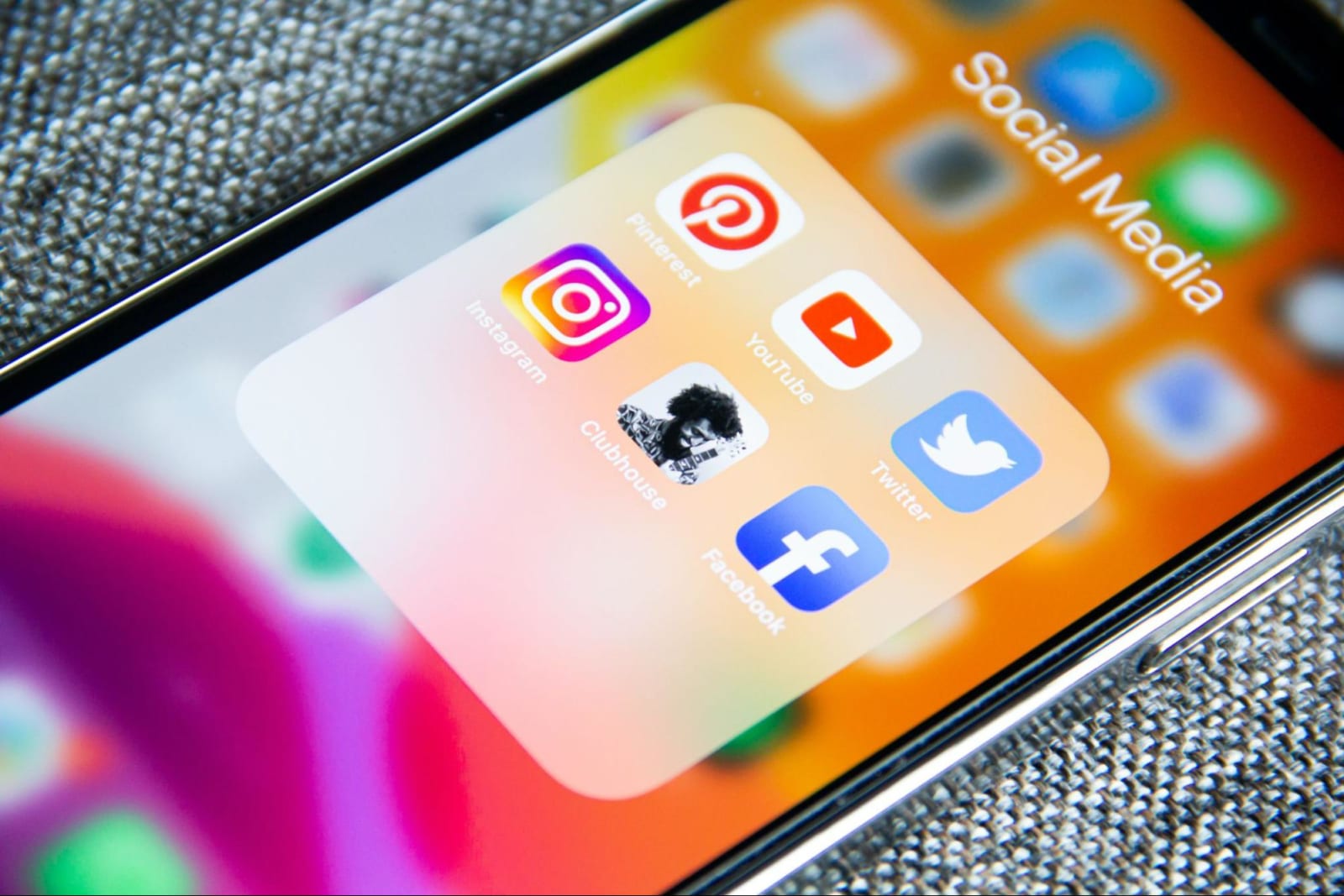
In today's world, social media reigns supreme, and the generations going to college are no exception.
One of the most appealing aspects of social media is that it enables higher education institutions, current and prospective students, and professors to interact and communicate with one another. In an increasingly digital and open world, institutions must realize that everybody is a marketing executive, for better or worse.
Integrating social media monitoring tools will help you avoid missing out on crucial conversations. This type of technology allows you to observe every engagement with your messages, establish keyword monitoring streams, and respond to and engage with comments within the tool.
4. Live Chat is a great way to get in touch with people
Let's face it: Gen Z doesn't want to converse on phones, and they surely don't like to wait for a delayed email response.
Higher education can benefit greatly from bots and live chat in terms of digital marketing. When individuals can't find the solution in one location, they'll go to another, so having answers available to potential students in real-time is crucial.
If you don't have the resources to staff a live chat, a chatbot strategy covering a collection of frequently asked questions can collect leads while also providing answers.
5. Take advantage of PPC next-gen advertising
Pay-per-click (PPC) systems, such as search engines, charge ads a fee every time a link in one of their advertisements is clicked. This is a great option for Higher education institutions to buy website hits rather than relying solely on organic traffic, which is typically much slower. Because PPC advertising allows advertisers to narrow down their target audience by age, interests, and demographics, to mention a few, advertisers may create a large number of high-quality leads in a short amount of time.
Important Points to Remember
Begin by understanding the particular challenges that higher education faces when developing a digital marketing strategy - the large size of most educational institutions, with multiple departments and interest groups and the different target consumers they must reach.

Base your digital marketing strategy on the broad picture – establish a strong social media presence and extend it through a variety of carefully chosen communication channels, such as email and IM bots, as well as your institutional blogs and media-ready content.
The tips mentioned above, combined with a well-thought-out inbound marketing strategy, have the potential to completely change the way higher education digital marketing works. You may track ROI from your initiatives and trace a student's experience from their first direct communication with your school to the time they submitted an application to enroll using methods that allow for thorough reporting.
Should you need further assistance in creating a winning digital marketing strategy, don’t hesitate to contact Delesign.

Krisana is a journalist turned SEO Content Writer with keen interest in tech, software, and innovations. She is an avid fan of Elon Musk and wants to be part of the future Human Mars Mission. In the meantime, she spends her time researching and writing about everything that could make life a better place on Earth. Outside of work, Krisana dedicates her time with her two lovely kids.