Around 1.79 billion users are active on Facebook daily, and your future customers could be one of them, logging on to the widely-used social media platform. Running a Facebook PPC ad is one way to reach your target audience among the billions of users.
What is PPC?
Before getting into Facebook PPC, let's clarify first the term PPC. The abbreviation stands for Pay Per Click, in which the advertiser pays once there are clicks on the ad.
Google is widely known for its PPC search ads. On the other hand, social media platforms such as Facebook, Twitter, and even Snapchat have also rolled out PPC advertising.
More businesses are joining the digital advertising space as the following 2015 numbers show:
- Google has 4 million advertisers, as estimated by Macquarie Research analysts.
- Facebook announced it has 2 million advertisers.
The advantage of this type of advertising is that you pay for actual engagement. Your ads are not just displayed; there is a specific action that is measured. PPC Facebook ads are one of the social advertising campaigns that implement this.
How does Facebook PPC work?

You need to define a few items about your ad to ensure that it will show exactly how you want users to see it, where they can see it on Facebook, and how much you want to shell out for the ad.
First, you have to determine your goals in running a Facebook ad. Facebook lets you choose from among three types of objectives.
- Awareness is the influencing stage of a buyer's journey. This will show ads to people interested in your business or brand.
- Consideration. Your ads can have several intentions. Whether you want people to download your app, chat in Messenger, or visit your website.
- Conversion. Drive more people to visit your store in this type of goal. Another way is to promote products relevant to the right buyers.
Then, you will have to figure out who will see your ads and where they can see the ads. Select from three types of audience that Facebook lets you choose.
- Drill down specific demographics from age to location with the Core Audiences.
- Focus on loyal customers or those who have visited your website with Custom Audiences.
- People whose interests and behavior are similar to your current buyers are within reach with Lookalike Audiences.
Where do you want to run your ad? Facebook has various ad placements available on the platform. The ad can appear on feeds, stories, or in-stream videos. An automatic placement option is also a choice if you're still starting.
Afterward, you set a budget and the formatting of the ads. A maximum amount is set either daily or for the duration of the campaign.
Bidding determines which ads will appear to the relevant audience. The higher the bid budget, the more chances of the ad to show. Facebook, however, guarantees that the ad spend will not cost more than the maximum amount that you set.
In terms of ad formats, several types of media are available to choose from on Facebook. There are photos, videos, stories, and messenger ads, among many other choices for your ads to show.
Facebook advertising doesn't have to be complicated. Though, remember that as with any form of advertising, it's always best to have a thorough marketing plan in place. You have to have a direction on who will see the ad and how much you're willing to spend on a campaign.
Facebook PPC Campaigns
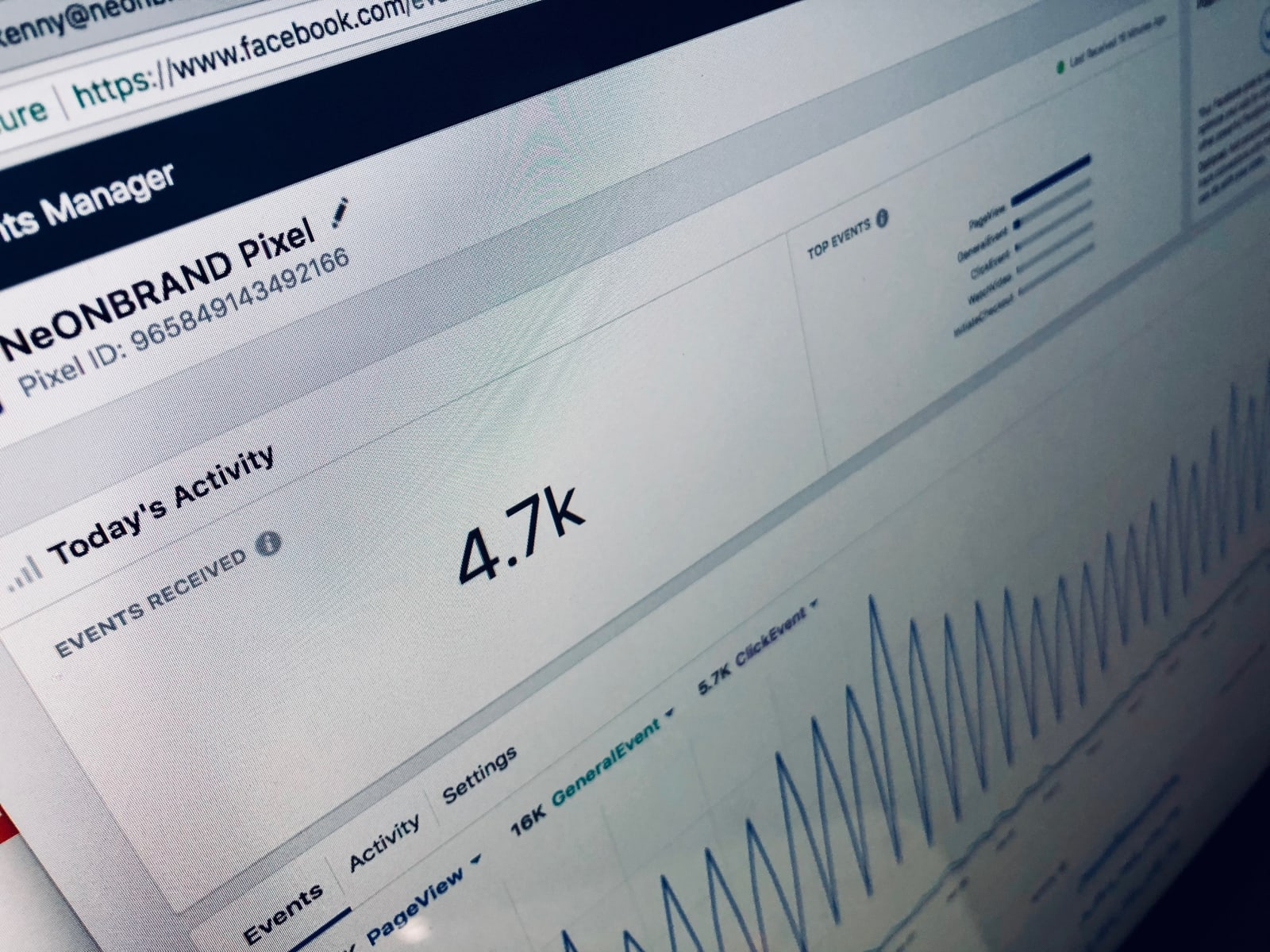
Facebook lets you choose to pay for the clicks that your ad generates. Another option is to pay for impressions, which is the number of times the users see your ad.
Facebook PPC versus PPM
In Facebook advertising, the label for the amount you need to pay for your ad is either the CPC or the CPM. CPC means cost per click, while CPM stands for cost per mile.
The Facebook PPC option calculates the CPC, counting how many users clicked on your ad. On the other hand, PPM or pay per impression is all about measuring the CPM, quantifying how many times users have seen your ad.
When you're only clicking on the boost post button displayed below a post, Facebook automatically applies the pay per impression type of advertisement. Your ad is on newsfeeds without any corresponding action from the users. If you want to set a clear goal, such as landing on a website, a video view, or generating likes, you need to choose the engagement type of advertising, which is the Facebook PPC ad.
Facebook PPC Management
To effectively run your ads, the Facebook ads manager is where you'll be able to choose the right type of ad, see the costs, level of engagement, and reach of your Facebook ad.
There are options to edit the ads in bulk, duplicate or relaunch them. Real-time reporting allows you to see how your ad is doing against the intended goal.
Are Facebook Ads Worth It?
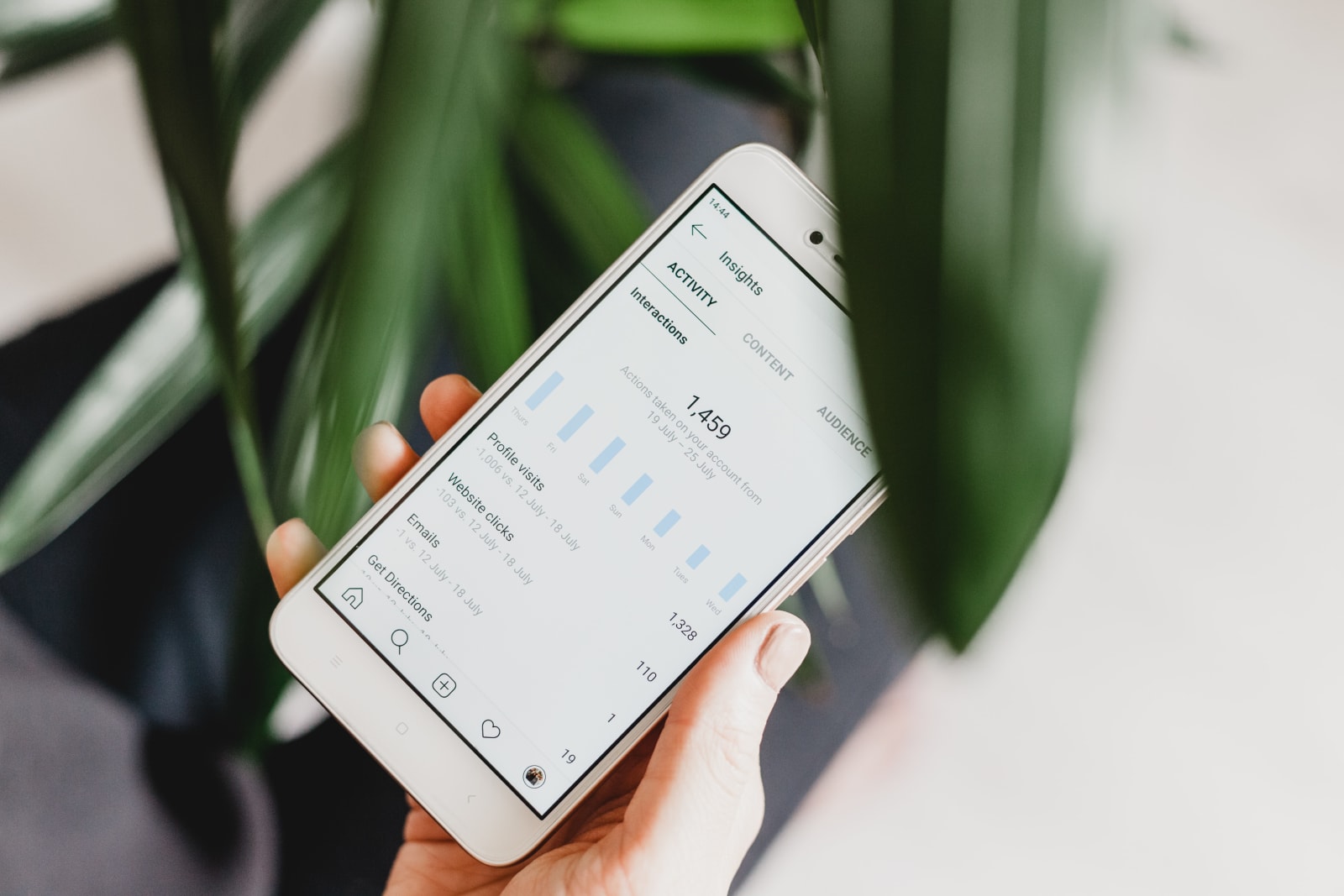
Would you like to join the ranks of the 26.7% of Facebook Pages using paid media?
According to Hootsuite, a Facebook post has an average of 5.17% organic reach out of the total likes from the Page. Meanwhile, the paid posting reaches an average of 28.1%. If you're only posting on your Facebook Page without any ads, it may take a while for the post to be seen by more users unless the post goes viral.
When you have Facebook ads, not only are you maximizing exposure to the number of users who liked your Page, you're also reaching out to those who haven't known your business yet.
Nonetheless, you have to make sure that advertising costs contribute to your revenue. You want to convert the ads to bring in sales. Otherwise, you're draining ad budgets down the drain for the sake of social media vanity.
Wordstream reveals that the average Facebook cost per click is $1.72 for ads across all industries. In the same report, the CTR or click-through rate is 0.90% for various sectors. The roughly $2 cost per click and 1% clicking on the ads mean that, on average, you will spend around $2 to have a user visit your site.
The return of investment from your Facebook ad varies according to the intent of the ad. For website purchases, Facebook has a metric called ROAS or return on advertising spend. The ROAS is the resulting amount upon dividing website purchases conversion value against the total costs spent on the ad.
Effective Facebook PPC Ads
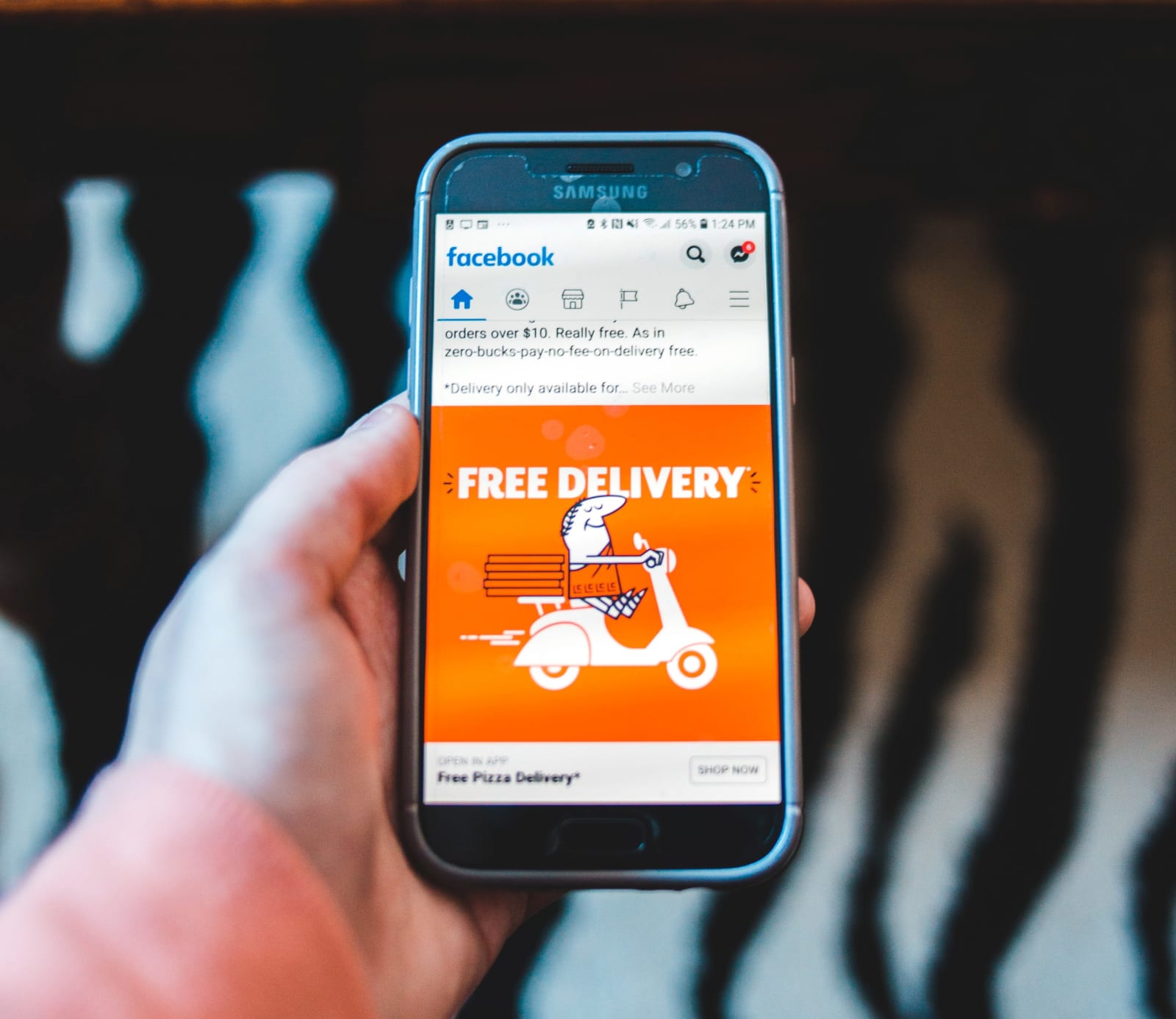
Facebook is a highly interactive platform where users engage a lot, from messaging friends to watching videos or reading articles. To make your Facebook PPC ads stand out and to have more chances of being clicked, you have to capture the users with an appealing design matching their taste.
CTR or click-through rate is one of the metrics that assess how successful an ad is. CTR measures the number of link clicks divided by the number of impressions. Thus, increasing the CTR or click-through rate is essential for an effective PPC ad.
A clear call-to-action, with an attention-grabbing photo, video, or any media, will entice more users to click on your Facebook ad.
Facebook Ads Design
While several media formats are available for Facebook ads, a staggering 98.3% of Facebook users access the social media platform via a mobile phone of any kind. The numbers from Statista indicate that a large majority of Facebook users are on a mobile phone compared to only 1.7% of users on a desktop.
How do you come up with a Facebook ad that has the right design format, optimized, and is impactful enough to convert?
Design services are available nowadays. Whether an image that speaks about your promotional offers or an engaging video that captures the users to watch, design professionals are ready to guide you on building the ad.
One such provider of design services is Delesign. With a fixed monthly amount, a dedicated designer will work with you to come up with a Facebook ad that converts. You don't have to worry about paying a varying amount as the subscription from Delesign enables you to create and revise as many times as needed.
So instead of spending time and money on limited designs, Delesign extends your options. You can even conduct A/B testing of Facebook ad design templates to see which one turns into sales, making the clicks on your ad worth the cost.

Raffy is involved in SEO and digital marketing. He gravitates towards upcoming technologies, startups, and is an avid learner.