Finding a designer is already a challenge, then add a pandemic on top of this, and it’ll feel like you’re faced with even more of a struggle.
In a time like this, you need to take into consideration more than just whether there is a good match between you and the designer.
You also have to think about practicalities like whether working remotely is a prerequisite for a designer, or how much longer certain processes may take given the circumstances.
This article breaks down some key areas that one should take into consideration in a post-pandemic environment – helping your process of choosing a designer be a little less daunting.
When we at Klint Marketing choose to hire a designer we suggest using these 3 steps:
- 1. Basic Research to Find a Designer
- 2. Business Considerations for a Post-Pandemic Environment
- 3. Using Your Own Logic to Make a Final Judgement
Basic Research to Find a Designer
When on the mission to find a designer, the initial research process usually results in having 20 separate tabs open, spread across 5 different windows.
In all of these tabs, there are three main areas that you should be trying to cover:
- 1. Style and business compatibility
- 2. Working practices (e.g. does the designer only offer remote work?)
- 3. Price and portfolio comparison
Style and Business Compatibility
Of course, whether a pandemic is ongoing or not, the very starting point when choosing a designer is making sure there is a fundamental match between styles.
There’s no point investing all your money in a designer who only works with graphic design when you're in fact looking for an animation designer.
Compatibility doesn’t just limit itself to style, however. You also have to think about how compatible a designer is with your BUSINESS and your ethics. For example, there are some designers that may prefer close collaboration, whereas there are others that demand total independence.
It may sound like a minuscule concern compared to making sure there is a style match - but someone who is willing to adapt their work for you and your business might be a preferred option to someone who’s style matches your vision more, but who also doesn’t accept any input in the design process.
It’s a give and a take, but don’t take it for granted that all designers work the same or have the same processes.
Working Practices
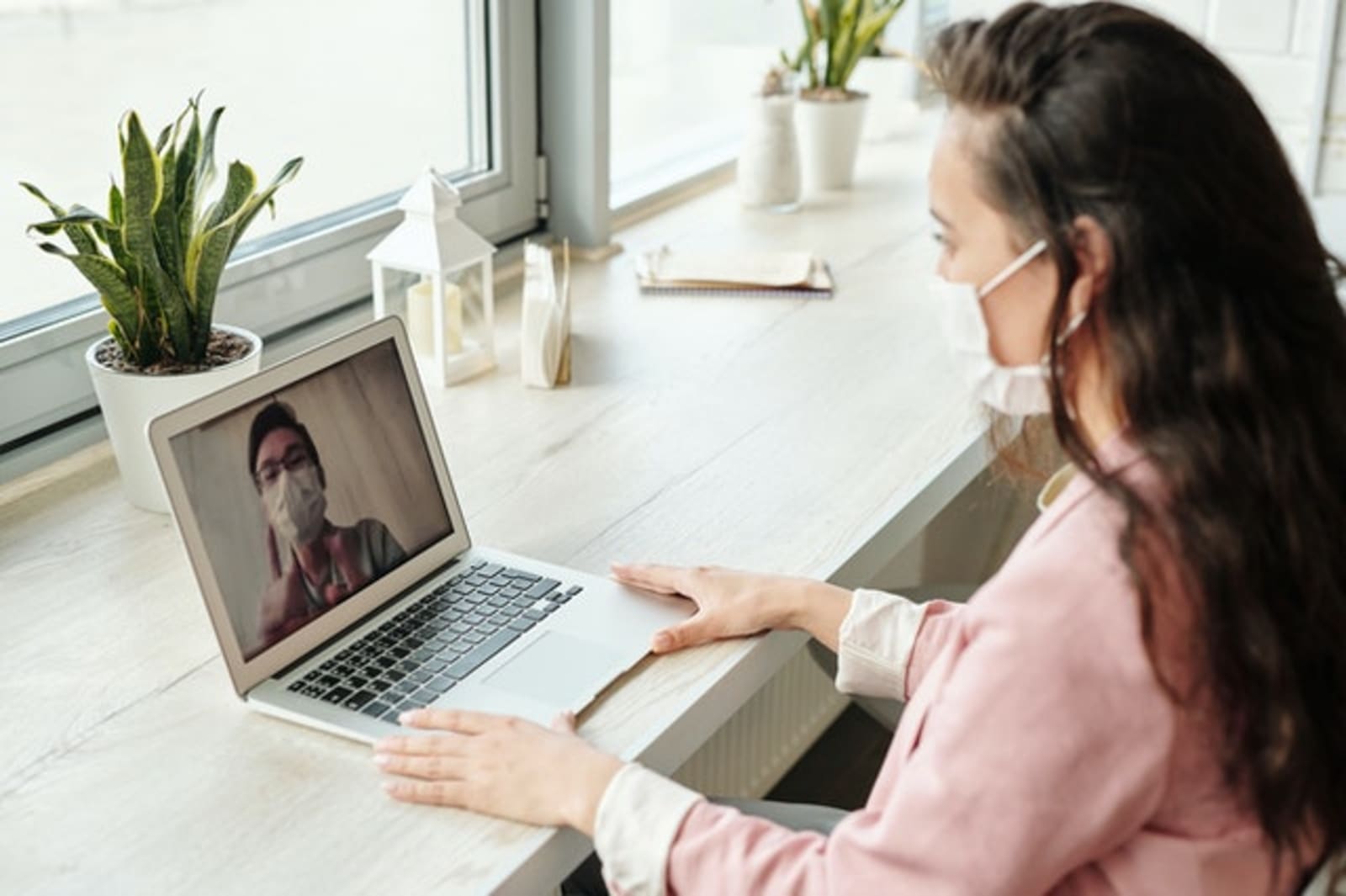
This point is especially relevant to the post-pandemic scene. Working practices have changed drastically with COVID-19, and you may find that either you are less willing to meet face-to-face, or the designer is - or maybe even both of you prefer remote work.
Either way, don’t assume it will be easy to find a harmony of preferences. This is why research into the modus operandi (MO) of the designer is integral.
Make sure that the designer offers remote work (should that be what you desire), and also make sure to ask what their schedule looks like.
You should always, always, and I cannot stress this enough, ALWAYS, ensure that you are aware of roughly how many other clients they are working with. This ensures that you know how much your work will be prioritized (or not).
Especially in a COVID-19 setting, it is not unrealistic to think that many designers have tried to take on as much remote work as possible - check this by asking if you’re one of 20 clients, or one of 3.
Price and Portfolio Comparison
The next and final element of the initial research step is lining up the potential candidates who you think matches your style, ethics, and working practices, and doing a basic price and portfolio comparison.
Due to COVID-19, freelance designers have had to decrease the costs of their services to bring in as much business as possible. Of course, digital agencies are bigger and, thus, have been more resilient to the ramifications of the pandemic, but the price for hiring designers have generally decreased somewhat.
It is important to remember not to pick the “cheapest” designer solely because they charge less. In post-pandemic times, it is more important than ever to ensure working practices align as much as possible, even if this costs you a little more.
Business Considerations for a Post-Pandemic Environment
As touched upon above, freelancers and design agencies have experienced different kinds of serious hardship due to COVID-19. This is definitely more the case for freelance designers.
As reported by the Freelancer’s Union, a staggering 91% of freelancers expected to lose chunks of their income, even now that the height of the pandemic is starting to wear down.
As a potential client, you need to take into account how a designer’s business might have been impacted by the pandemic, whether that business is made up of just the one designer of 50 employees.
Those design firms that were already mainly operating online, such as Mattix, have potentially experienced slightly less of a financial blow because remote work was already their MO.
However, though the business has been tough, there are national business reforms aimed to help mitigate the most severe repercussions for self-employed designers. For example, in the UK, grants are being given to freelance designers, designed in such a way to cover up to 80% of their usual monthly earnings.
Thus, as a client, make sure to research, understand, and respect the circumstances under which your potential designer is operating.
Everyone has been hit differently by the pandemic, and even though things are starting to resemble normality, very slowly, that doesn’t mean things are in fact back to normal - especially not for freelance designers.
Using Your Own Logic to Make a Final Judgement
At the end of the day, you have to make the decision - the most you can do is to try to make that decision as rational as possible (given the circumstances).
This means that your logic has to adapt to the reality of the repercussions of COVID-19.
One way to view remote work in a more positive light is to acknowledge you might actually have more designers to pick from than otherwise. If meeting up with a designer isn’t an issue (or rather, isn’t possible), then what’s stopping someone in Malmö from hiring a perfect match designer in Kyoto?
If you still feel slightly lost or clueless after implementing all the above advice, you can (and maybe should) ask for referrals.
This way, you can reach out to previous clients and ask them about their experiences with the designer. You might find some pretty interesting opinions that could potentially push you to pick designer A over designer B.
Conclusion
All in all, choosing a designer will never be easy - and especially not in the given circumstances. This article intended to give some tips and tricks to help you streamline the process of hiring a designer in the post-pandemic climate.
The most important thing to take away is that all designers have been hit differently by COVID-19, and this should push you to do further research on potential designers to see how working practices and prices may have changed.
As long as you research in enough detail what a designer or design firm can offer, you can manage your expectations. Important to remember is that this also applies in reverse: as long as you are clear enough with what you want, designers can manage YOUR expectations.
Happy hiring!

Gabriella Anesio is a content writer at Klint Marketing. She is a Political Science graduate from Leiden University with a passion for research and writing.