Repetition is more than just using the same elements over and over again. It’s about creating rhythm, harmony, and balance within your designs. Whether you're crafting a logo, designing a website, or developing a visual identity for a brand – strategic patterns can work wonders in capturing attention and leaving a lasting impression.
In this blog post, we'll dive deep into the world of repetition in design. We'll explore different types of patterns that can be used effectively in various contexts. We’ll also uncover how to harness the power of repetition strategically to create visually stunning and impactful designs. So buckle up and get ready to discover why repetition is indeed the key to unlocking unforgettable visuals!
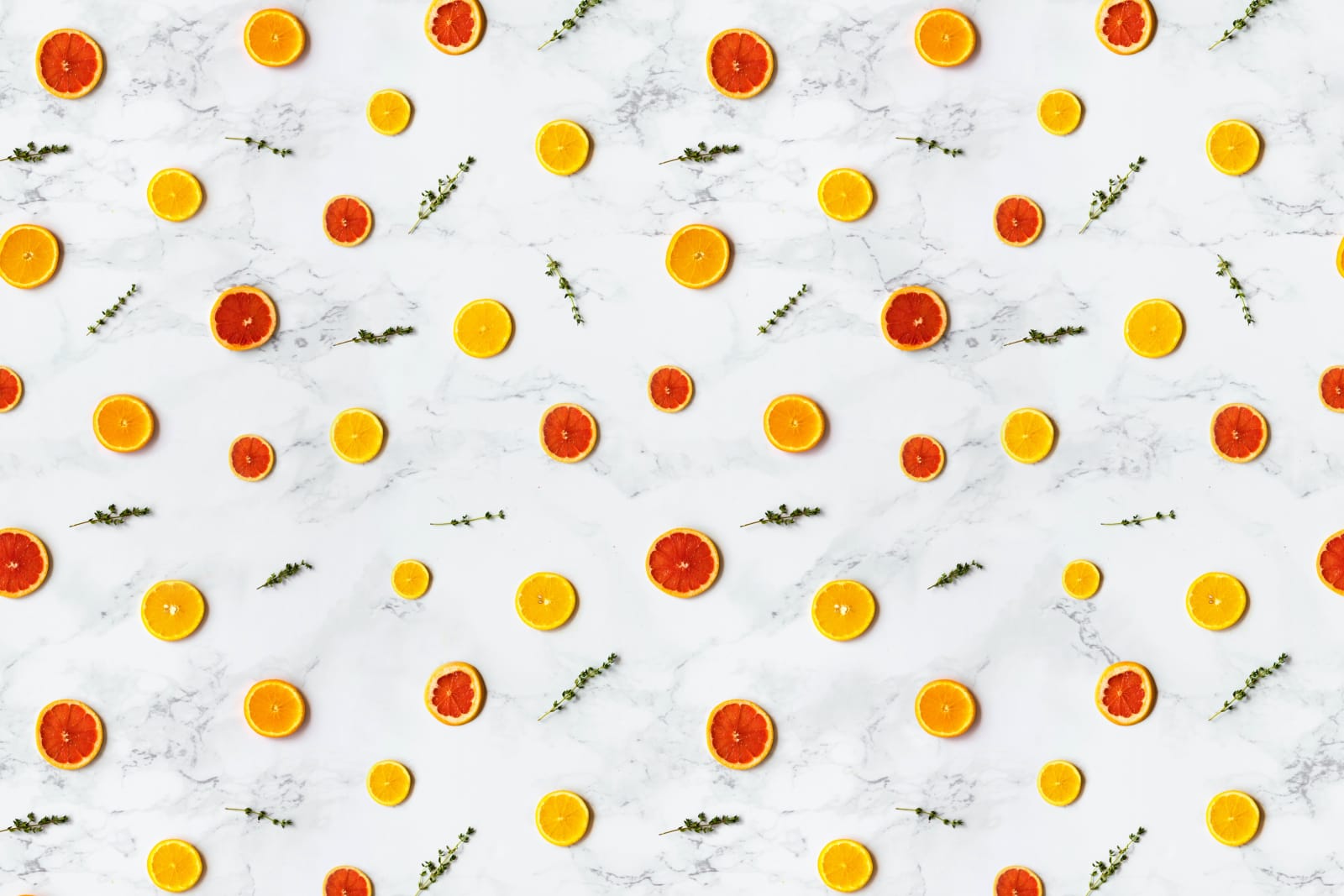
What Is Repetition in Design?
Repetition in design is a fundamental principle that involves the deliberate repetition of visual elements within a composition. It goes beyond simply duplicating elements; it's about creating a sense of rhythm, unity, and cohesiveness. By using repeated patterns, shapes, colors, or textures, designers can achieve balance and harmony in their creations.
One common type of repetition is the use of repeating patterns. These are motifs or designs that are replicated consistently throughout a layout. Whether it's geometric shapes, floral arrangements, or intricate lines - these repetitive patterns can add visual interest and create a sense of continuity.
Another aspect of repetition is the consistent use of typography. By using the same font family or style throughout various design elements like headings, subheadings, and body text – designers can establish brand consistency and enhance readability.
Colors also play a significant role in repetition design. Repeating specific color schemes or tones across different sections of your design brings unity to your visuals while evoking certain emotions or associations tied to those colors.
Repetition helps establish visual identity by making designs recognizable and memorable. It creates coherence among different elements within an artwork or branding materials.
By understanding how to effectively utilize repetition in design with strategic intent – you'll have the power to captivate audiences and leave a lasting impression with your work! So let's explore some practical strategies for incorporating this powerful technique into your own designs.
The Different Types of Patterns
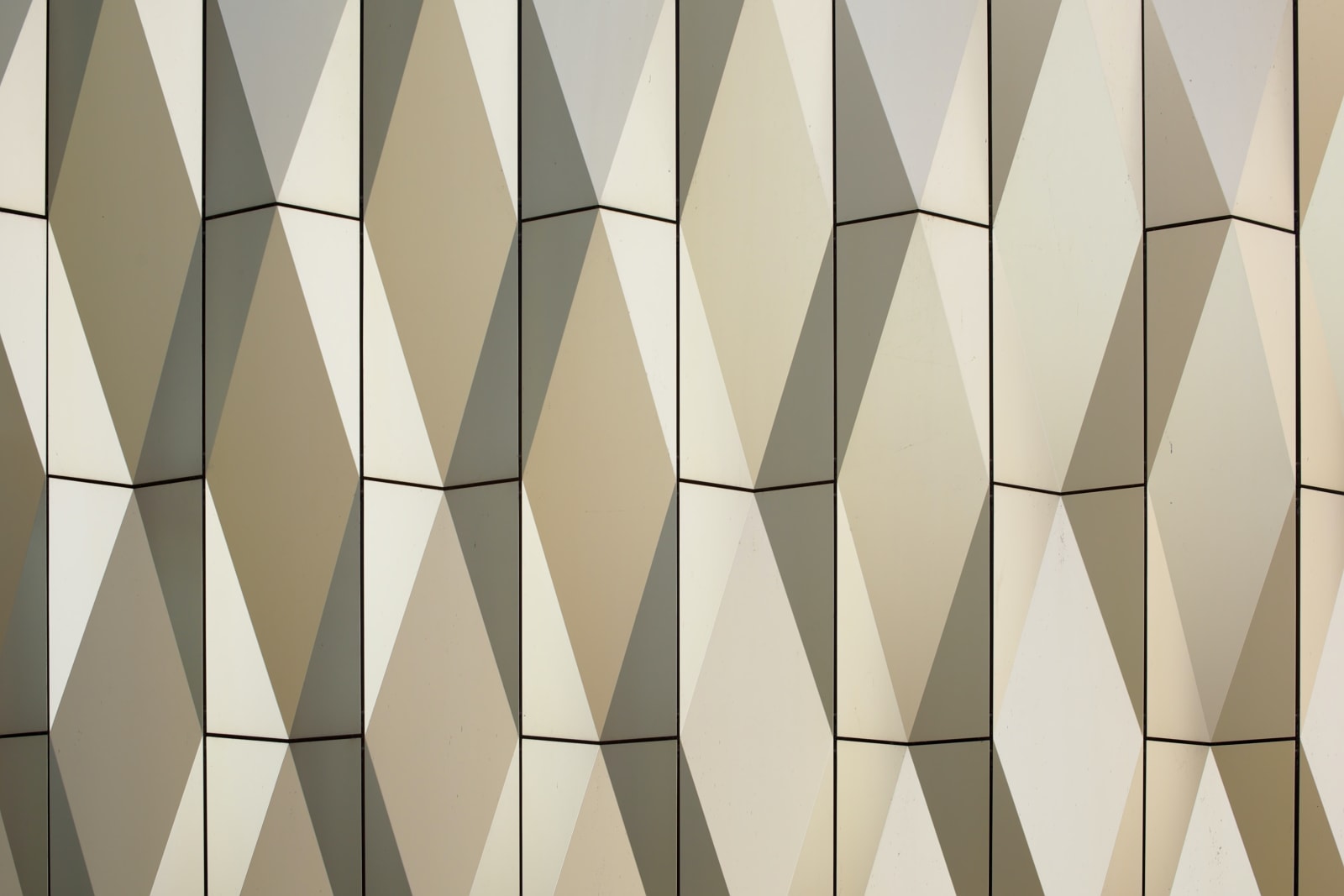
Patterns play a crucial role in design, adding depth, interest, and cohesion to visual compositions. There are various types of patterns that designers can incorporate into their work to create unique and eye-catching designs.
Geometric Pattern
One type of pattern is the geometric pattern. Geometric patterns consist of repetitive shapes such as squares, triangles, circles, or hexagons. These patterns often convey a sense of precision and orderliness.
Organic Pattern
Another type is organic patterns. Organic patterns are inspired by nature and feature flowing lines, curves, and intricate details. They can evoke feelings of calmness or vitality depending on the specific design elements used.
Abstract Pattern
Abstract patterns offer more freedom for creativity as they do not adhere to any particular representation or motif. They can be bold and vibrant or subtle and minimalistic depending on the desired effect.
Textile Pattern
Textile patterns take inspiration from fabrics like stripes, plaid, herringbone, or chevron. Incorporating textile-inspired patterns adds texture and visual interest to designs.
Illustrative Pattern
Lastly is illustrative patterning where illustrations are repeated throughout a design layout creating visually appealing results while conveying a narrative.
By understanding these different types of patterns available in graphic design you can effectively utilize them based on your project's objectives whether it's creating an energetic brand identity using abstract patterning techniques or fostering a calming atmosphere with organic motifs
How to Use Repetition Strategically
When it comes to using repetition strategically in design, there are a few key considerations to keep in mind. First and foremost, it's important to understand the purpose and message of your design. What do you want to communicate? Once you have a clear vision, you can begin incorporating repetition into your design elements.
One effective way to use repetition is by repeating certain visual elements throughout your design. This could be as simple as repeating a specific shape or color scheme. By doing so, you create a sense of unity and cohesiveness within your design.
Another strategic use of repetition is through patterns. Patterns can add depth and interest to your designs while also providing a consistent visual theme. Whether it's through geometric shapes or intricate motifs, patterns can elevate the overall aesthetic of your work.
Typography is another area where repetition can be used strategically. By consistently using the same font or typeface throughout your design, you create harmony and reinforce the visual identity of your brand.
Don't forget about spacing and layout when considering repetition in design. Consistent margins, gutters, and alignment can provide structure and organization to your designs while also creating an appealing visual rhythm.
By understanding how to use repetition strategically in different aspects of design - from visual elements to patterns - you can create visually compelling pieces that capture attention and effectively convey messages for businesses across various industries.
The Benefits of Repetition
Repetition in design can offer numerous benefits that elevate the overall impact and effectiveness of a visual composition. By strategically incorporating patterns and repeating elements, designers can create cohesiveness, enhance brand recognition, and increase visual appeal.
One of the key advantages of repetition is its ability to establish a sense of unity within a design. Repeating certain visual elements such as colors, shapes, or typography throughout different components of a project creates consistency and harmony. This helps to reinforce the overall message or theme.
Additionally, repetition plays an important role in building brand recognition. Consistently using specific patterns or motifs associated with a particular brand helps to establish a visual identity. When customers repeatedly encounter these familiar elements across various touchpoints – whether it's on packaging, websites, or advertisements – they develop strong associations with the brand.
Moreover, repetition has a powerful effect on creating memorable designs. Humans are naturally drawn to patterns and symmetry; they find them visually pleasing and easy to process. By utilizing repetition effectively in their designs, graphic designers can grab attention quickly while ensuring that information is easily absorbed by viewers.
Furthermore, repetition aids in reinforcing important messages or call-to-actions within a design. By repeating key phrases or icons strategically throughout different sections of an advertisement or website layout for example - designers emphasize their importance while making them more likely to be remembered by viewers.
Lastly, repetition offers efficiency when designing marketing materials at scale.
Conclusion
In this article, we have explored the power of repetition in design and how it can elevate your designs to new heights. Repetition is a fundamental principle in graphic design that involves the strategic use of patterns to create visual harmony and cohesion.
By understanding the different types of patterns and knowing how to use repetition strategically, you can enhance your visual marketing efforts and create a strong visual identity for your brand. Whether you are designing a logo, website, or any other graphic element, incorporating repetition will make your designs more professional and impactful.
Repetition not only creates unity and consistency but also helps reinforce key messages and establish brand recognition. By repeating certain elements such as colors, fonts, or shapes throughout your designs, you can strengthen associations between these elements and your brand identity.
Whether you're an experienced designer or just starting out on your creative journey, understanding the power of repetition is essential for creating visually compelling designs. By harnessing its potential and implementing it strategically in all aspects of design work—from branding to marketing materials—you can achieve a cohesive visual language that communicates effectively with your target audience.
So next time you sit down to create a design project, remember the power of repetition. Embrace this timeless technique to elevate your designs from ordinary to extraordinary!
Start using repetitive patterns today and see firsthand how they can transform your visuals into captivating works of art.

Allaine is an ambassador at Delesign. She is an adventurer and a dreamer who believes in turning ideas into reality. She loves sharing links on human emotions, relationships, and all things digital.