Small business owners and managers may find it challenging to determine which types of branding will benefit their company the most. However, experts claim that each type has its own set of benefits and influences consumers in different ways.
Businesses who have a great handle on branding or work with an efficient branding firm are more likely to provide compelling reasons for customers to purchase their goods and services.
So, what types of branding should you engage in? There are a few different types of branding that are worth delving into. Here are the seven forms of branding you should be aware of:

1. Personal branding
It can be strange to think of a person as having a brand at first. We're not products, after all; we're people. And we don't have cultivated brands; we have inborn personalities.
That is correct. However, when we talk about personal branding, we're not talking about giving yourself a personality. It's all about creating a public profile that truly reflects your own personality. Personal branding occurs on social media and in person, where others' perceptions of you can have a significant impact on your professional and social reputation, either positively or negatively.
So, how do you go about “doing” your personal branding? By establishing a public persona that encourages those who see you to attribute particular characteristics and ideals to your personality. Consider the case of Cardi B. Whether you like her or not, you can't dispute that she has a distinct and well-crafted personal brand. Her candor about her history, her continual hustle to extend her business, her crude humor, and her protruding tongue are all elements of her personal brand that make her instantly recognized and successful.
2. Product branding
Everywhere you go, you'll notice product branding. Product branding distinguishes one thing from another using words, colors, and images.
Effective product branding is the first step in understanding the target user, their objectives, and the competitive landscape into which you're stepping. All of these factors have a role in determining the brand strategy, which has an impact on the product roadmap.
Take, for instance, Oreo cookies. The main market until the middle of the 1990s was the United States. The cookie's parent firm, Kraft, decided to try selling it in new markets. They were particularly interested in China and India, which, due to their relative sizes, represented a sizable market for the goods.
Oreo was first introduced in China in 1996, with the identical product as in the United States. The product introduction was a disaster. Kraft resorted to the public to find out what went wrong. They discovered the following from interviews:
- The flavors were overpowering.
- The price of a packet was too costly.
In China, Oreo was reintroduced with a new sugar-reduced recipe and smaller packages. The introduction was a success, prompting Oreo to develop numerous more flavors to cater to regional preferences. Oreo green tea ice cream and Oreo Double-Fruit, for example.
Kraft successfully duplicated its China strategy in the Indian market. They altered the ingredients to suit Indian preferences and used Cadbury's brand equity to distribute the product across the country, which Kraft recently acquired. Oreo was promoted and customized to the local market, which was critical to the product's success.
3. Corporate branding
Corporate branding is a corporate value and philosophy that a company develops to market itself to the outside world and its own workers.
In every point of interaction with prospective consumers, existing customers, and past customers, effective corporate brands strive to convey the company's mission, personality, and core values.
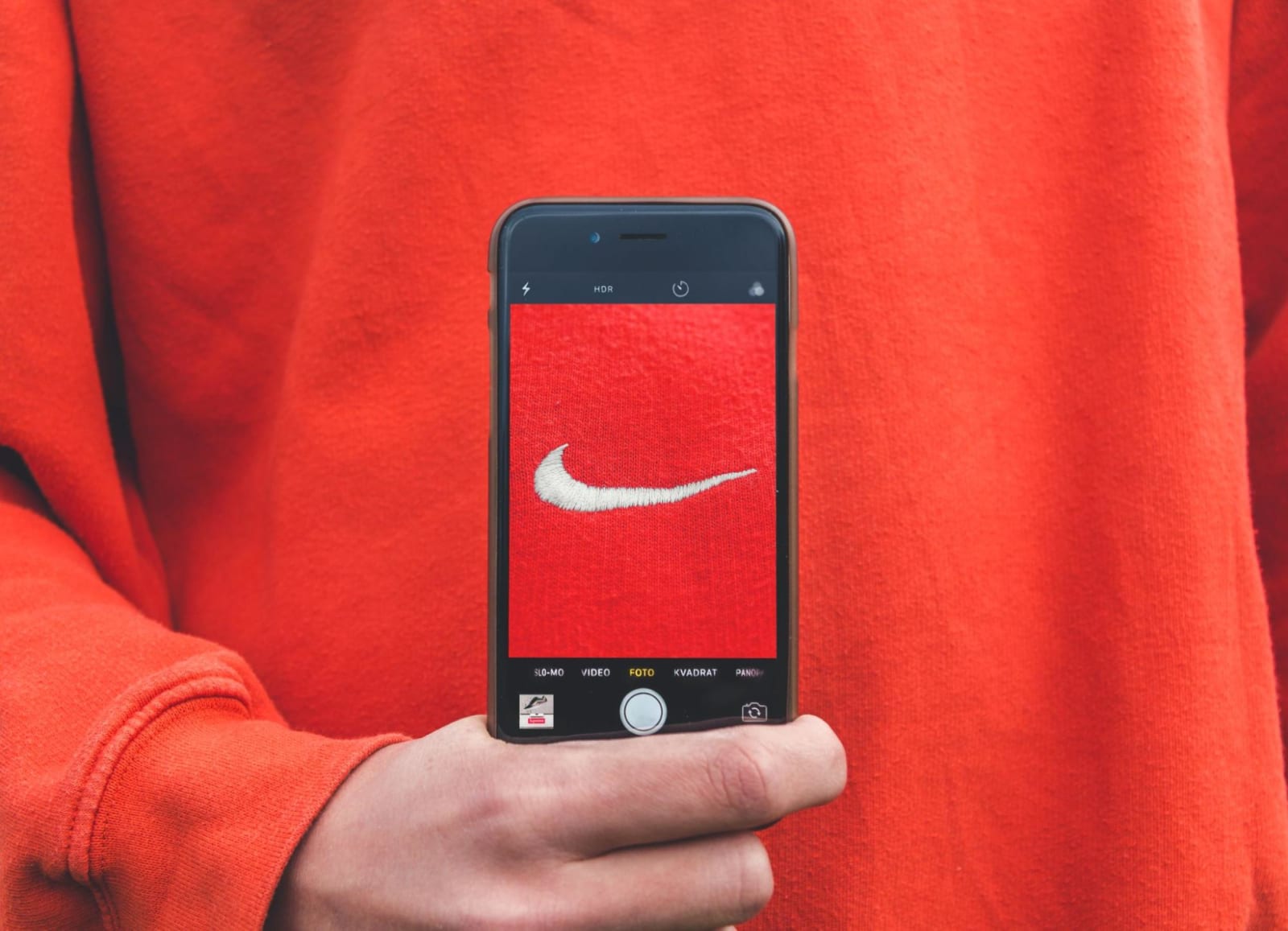
Nike's basic principles and mission, for example, are visible across all of their platforms and goods. Nike's mission statement reads, "To inspire and innovate for every athlete on the planet." In addition to their well-known swoosh checkmark emblem, the company's slogan is "Just do it."
Nike portrays itself as a brand for athletes, sports lovers, and everyone who is passionate about fitness as a business brand. They also state unequivocally that everyone can be an athlete.
4. Service branding
The major focus of service branding is what the company has to offer its clients. It is vital to provide great customer service that goes above and beyond expectations in order for service branding to be effective.
Customer service should, in fact, bring value to your services while also serving as a point of uniqueness. To do so, you can include bonuses with purchases, invite top customers to special events or upgrade them, check with customers who are using your service, or provide round-the-clock help.
5. Investors branding
This branding type is typically used by publicly traded brands and investor relations departments. It positions the listed business as an investment and a performance stock, combining financials and strategy with a value proposition, purpose, and, increasingly, wider reputation through the dimension of Corporate Social Responsibility. A solid investor brand can tell you, ensures share price stability and a thorough understanding of market worth.
6. Geographical branding
This is also referred to as regional branding. This style of branding emphasizes the distinctiveness of one location over another as a selling advantage for recruiting tourists. In the tourism industry, it's a common branding tactic.
When different countries throughout the world adopt some distinctive patterns, symbols, colors, and logos for their products and services, you can witness geographical branding in action.
Most of the time, the purpose of regional branding is to improve a country's culture or reputation. With their "I Amsterdam" makeover, cities around the world, such as Amsterdam, for example, established flawless geographic branding, deflecting attention away from the Red Light District and presenting a greater cultural diversity.
7. Co-branding
Who doesn't enjoy getting together with two wonderful friends? Now that you have a better knowledge of the many sorts of branding, let's look at another strategy for combining two distinct brands: co-branding.
When two (or more) brands form a strategic relationship in order to raise brand awareness for all parties involved, this is known as co-branding. Furthermore, when two unusual businesses collaborate, they often introduce one other to new audiences. This form of branding benefits everyone since it allows them to use their valued brand credibility to essentially vouch for the partner brand.
When British online retailer ASOS teamed up with The Gay and Lesbian Alliance Against Defamation, often known as GLAAD, to develop a unique seasonal collection, it was an incredible example of co-branding. The ASOS DESIGN X GLAAD line, which consists largely of unisex clothing, likewise donates 100% of its net profit to LGBTQ causes.
Summary
Different methods of branding serve different reasons, and you must choose which method to use. Whatever you choose, your goal should be to leave a lasting impact on your clients by telling them a compelling brand story that they won't hear anywhere else.
It is said that the devil is in the details. Every employee of your company, as well as every social media post, has an impact on how your customers perceive your brand. Create brand rules to keep your messaging consistent and to the point, if you want your audience to acquire brand affection.

You can't promote something you can't define, therefore all of your marketing activities should be guided by a clear, consistent branding approach. Your consumers will always know where they are and who they are communicating with if your branding is well-thought-out. You elicit a visceral emotion as well as immediate recognition. For any questions about branding, contact Delesign. Our team of experts will be glad to help you develop the branding that suits your business.

Krisana is a journalist turned SEO Content Writer with keen interest in tech, software, and innovations. She is an avid fan of Elon Musk and wants to be part of the future Human Mars Mission. In the meantime, she spends her time researching and writing about everything that could make life a better place on Earth. Outside of work, Krisana dedicates her time with her two lovely kids.